18 Creative Fundraising Event Ideas That Bring People Together
A good fundraising event offers more than a reason to donate. It creates an enjoyable experience, introduces people to the cause, and gives supporters a meaningful way to participate.
The event does not need to be large or expensive. A thoughtfully arranged breakfast, workshop, neighborhood sale, or outdoor gathering can be just as effective as a formal gala when it suits the audience and has a clear financial goal. These fundraising event ideas can be adapted for schools, charities, churches, clubs, community groups, animal rescues, and personal causes.
Simple and Low-Cost Fundraising Event Ideas
Low-cost events work best when they center on one appealing activity. A welcoming setting and a few thoughtful details can make even a familiar fundraiser feel special.
1. Community Breakfast
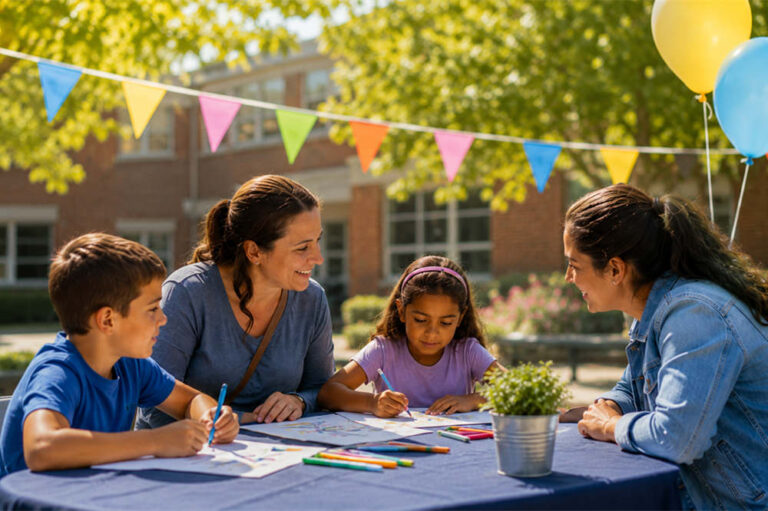
Invite supporters to begin the day with pancakes, pastries, fruit, coffee, and conversation. A school cafeteria, church hall, community center, garden, or neighborhood clubhouse can provide a comfortable setting without the cost of a formal venue.
Use table cards to explain what the fundraiser supports and what different contribution amounts could accomplish. Fixed-price tickets work well, although a pay-what-you-can breakfast may be more appropriate for an inclusive community event.
2. Trivia Night
Arrange guests in teams and lead several rounds covering subjects such as music, films, sports, local history, or general knowledge. A confident host, clearly timed rounds, and a scoreboard visible from every table will keep the evening lively.
Charge a team registration fee and offer one paid hint or bonus opportunity during the game. Restaurant certificates, event tickets, or themed gift baskets can provide appealing prizes without making the competition overly serious.
3. Community Yard Sale
Collect clean, useful donations from local families and arrange them into sections for clothing, books, kitchenware, children’s items, tools, home décor, and small furniture. Clear signs and neatly displayed items make the sale easier to browse than a collection of unmarked boxes.
Use simple prices for smaller goods and individual labels for valuable pieces. Before the sale begins, decide whether unsold items will be stored for another fundraiser or delivered to an appropriate donation center.
4. Bake-Off or Cook-Off
Choose one category, such as cakes, cookies, pies, chili, soup, barbecue, or homemade salsa, and invite local cooks to enter their best recipes. Guests can purchase a tasting pass and vote for a people’s choice winner after sampling the entries.
Number each dish and provide clear ingredient and allergen information. Small awards for best presentation, most original recipe, and audience favorite give more participants a chance to be recognized.
5. Used Book and Record Sale
Turn donated books, records, puzzles, and board games into a temporary shop. Organize books by genre, separate records by musical style, and create an inviting children’s section where families can browse together.
A “mystery book” table can add an element of surprise: wrap selected titles in plain paper and write a few clues about the story on the outside. Comfortable chairs and a small coffee table encourage visitors to stay longer and explore more of the collection.
6. Creative Workshop
Ask a local artist, florist, teacher, or skilled volunteer to lead a workshop in calligraphy, flower arranging, watercolor painting, candle making, wreath decorating, or another approachable craft.
Include supplies in the ticket price and arrange each place before guests arrive. Neatly presented materials, a name card, and a short note about the cause can make a modest community room feel like a carefully planned creative studio.
Lively Community Fundraising Events
Interactive events attract families, teams, and groups of friends who may not attend a traditional fundraising dinner. They also give guests something memorable to do together.
7. Outdoor Movie Night
Transform a schoolyard, park, lawn, or large garden into an outdoor cinema. Guests can bring blankets and folding chairs, while reserved picnic areas with cushions and snack boxes provide an optional upgraded experience.
Choose a film that suits the audience and plan a simple weather alternative. Because a public entertainment screening generally requires permission, organizers should secure the appropriate movie clearance or performance license rather than assuming that owning a personal copy is sufficient.
8. Community Talent Show
Invite singers, dancers, musicians, comedians, magicians, and poets to perform in a school auditorium, community hall, or small theater. Short acts and an enthusiastic host will keep the program moving.
Audience members can support their favorite performers through donation-based voting. Keep the awards lighthearted so the event celebrates participation rather than placing unnecessary pressure on inexperienced performers.
9. Scavenger Hunt
Create a route through a neighborhood, campus, shopping district, museum, or public garden. Teams follow clues, photograph their progress, and complete small challenges before meeting at a final gathering point.
Local landmarks and participating businesses can become stops along the route. A café might provide a clue with a small sample, while a bookstore could hide the next instruction inside a selected title.
10. Pet Parade and Costume Contest
Invite owners to register their pets for a short parade followed by categories such as best handmade outfit, funniest costume, best owner-and-pet pairing, or most creative recycled costume.
Choose a safe route and provide water, shade, waste stations, and enough room between animals. If the fundraiser supports an animal-related cause, add adoption information or brief stories about animals the organization has helped.
11. Family Field Day
Fill an afternoon with relay races, beanbag tosses, sack races, giant board games, craft tables, and a simple obstacle course. Divide the grounds into active and quiet areas so guests of different ages can participate comfortably.
Offer awards for teamwork, enthusiasm, and creativity as well as athletic achievement. A family admission pass or color-coded activity wristband can make entry easier than collecting payment at every station.
12. Charity Sports Tournament
Organize a pickleball, volleyball, basketball, softball, soccer, or miniature-golf tournament for a school, workplace, recreational league, or neighborhood group. Include beginner and family divisions when possible so the event appeals to more than experienced athletes.
Team registration provides the main source of revenue, while spectators add energy to the day. End with a short championship round and an awards presentation rather than allowing the event to fade out as teams finish playing.
Polished Fundraising Events
A more styled gathering can suit an established donor community, a milestone campaign, or a cause that benefits from a special evening. The atmosphere may be elegant, but the purpose should remain easy to understand.
13. Garden Party
Host afternoon tea, lemonade, small sandwiches, and individual desserts in a private garden, courtyard, botanical setting, or attractive community green space. Light music and simple lawn games create interest without crowding the schedule.
A flower-arranging table, plant sale, or garden-themed auction can support the main fundraiser. Place photographs and short stories about the organization among the tables so guests encounter the cause naturally as they move through the setting.
14. Themed Dinner
Build the menu, music, place settings, and dress suggestion around one memorable idea. Possibilities include a harvest supper, literary dinner, candlelit winter feast, garden-to-table meal, or vintage supper club.
The theme does not require theatrical decorations. A literary dinner might name tables after authors, while a harvest supper could use seasonal greenery and shared serving dishes. Leave enough room in the program for guests to enjoy both the meal and the company.
15. Local Food Tasting
Invite restaurants, bakeries, cafés, food trucks, farms, or skilled home cooks to offer small signature samples. Guests receive a tasting booklet or tokens to exchange at the different stands.
A focused theme—such as regional food, international dishes, soup and bread, summer desserts, or local harvest ingredients—gives the event a stronger identity. Clearly marked sections for savory dishes, sweets, beverages, and allergy-conscious choices help guests navigate the space.
16. Art Show and Sale
Display work from local artists, photographers, students, or craftspeople in a gallery, library, café, studio, school hallway, or empty commercial space. Good lighting, consistent labels, and enough space between pieces will make the exhibition feel considered.
Decide whether artists will donate complete pieces or contribute an agreed percentage of each sale. Smaller prints, greeting cards, and student artwork give guests accessible choices alongside larger original works.
17. Benefit Concert
A benefit concert may be an intimate acoustic performance or a larger program featuring local bands, choirs, orchestras, or student musicians. Match the performers and venue to the people the fundraiser hopes to attract.
Use one or two short moments between performances to share a story about the cause and explain the fundraising goal. The message will be more effective when it feels like part of the evening rather than a lengthy interruption.
18. Silent Auction Evening
Build auction packages around interests and experiences rather than placing unrelated donations side by side. A restaurant certificate and theater tickets might become a date-night package, while nursery credit, gardening tools, and a consultation could form a garden refresh package.
Display an accurate description, the opening bid, closing time, and the item’s good-faith fair market value. Online bidding can extend participation to supporters who cannot attend in person.
Online and Hybrid Options to Add to an Event
Online participation can involve alumni, former members, distant relatives, and supporters who cannot attend in person. It works best when it complements the main event instead of duplicating every part of it.
Open the Auction to Remote Bidders
Publish photographs and complete descriptions before the event, then allow online bids until the same closing time used in the room.
Livestream Selected Moments
Broadcast the concert performance, guest speaker, awards presentation, or final appeal rather than streaming long periods when little is happening.
Create Personal Fundraising Pages
Give walkathon participants, performers, athletes, or volunteers individual pages to share with their own networks. Provide common photographs and key messages so the campaign retains a consistent identity.
Display Fundraising Progress
Show the total on a screen as a growing garden, filling bookshelf, illuminated skyline, or another image connected to the cause. Recognize donors by name only when they have agreed to be listed.
Offer an Activity for Remote Guests
Send craft kits, recipe cards, fitness goals, or downloadable activity sheets to people joining from home. Participation feels more meaningful when remote guests have something to do rather than simply watching a screen.
How to Make a Fundraising Event More Effective
Set a Realistic Budget and Goal
Estimate the expected income, then subtract the venue, food, equipment, entertainment, printing, insurance, payment fees, and other costs. A crowded event may still produce disappointing results if most of the revenue is spent on the gathering itself.
Place the event within a broader fundraising plan so the team understands whether its main purpose is immediate revenue, community awareness, donor engagement, or a combination of those goals.
Show What the Money Will Accomplish
A specific outcome is more compelling than a general request to support a good cause. Explain whether the funds will purchase school supplies, restore a community space, provide veterinary care, fund a program, replace equipment, or help a family facing an immediate need.
Use the same clear message on the invitation, event signs, donation page, and follow-up note. One well-chosen story or display can communicate more than several long speeches.
Give Guests Easy Ways to Contribute
Combine the main ticket or registration fee with a small number of optional choices, such as an auction, activity upgrade, merchandise table, or direct donation point. Too many separate requests can make a generous gathering feel transactional.
Test every payment link and scannable code before the doors open. Keep a clearly marked payment station for guests who prefer assistance or do not want to use a phone.
Ask Businesses for Specific Support
Businesses can respond more easily to a clear request than to a general appeal for help. Ask a bakery to provide breakfast pastries, a florist to contribute table arrangements, a printer to produce programs, or a restaurant to donate one auction experience.
For financial sponsors, create a few straightforward levels with proportionate recognition. A logo in the program, a sponsored activity station, or a brief thank-you from the host may be more appropriate than covering the venue with promotional signs.
Thank Supporters and Report the Result
Send a prompt thank-you to guests, volunteers, sponsors, performers, donors, and contributors. Share the amount raised once expenses have been counted rather than announcing an unconfirmed total.
Follow with an update showing what the money made possible. Thoughtful communication after the event helps transform a one-time attendee into a lasting supporter.
Check the Rules That Apply
Legal requirements vary by event type and location. Organizers may need to review charitable-solicitation registration, venue permits, food and alcohol rules, insurance, public-performance rights, and local gaming laws.
Raffles and other games of chance are regulated activities and may be restricted even when they benefit a nonprofit. Confirm the rules before advertising or selling entries.
When a guest’s payment includes a dinner, ticket, product, or another benefit, the full amount may not qualify as a charitable contribution. In the United States, organizations generally must provide a written disclosure for a quid pro quo contribution exceeding $75. Organizers should obtain professional advice when they are uncertain about the requirements that apply.
Final Thoughts
The strongest fundraiser is not necessarily the largest or most elaborate. It is the one the organizing team can carry out thoughtfully while giving guests a clear reason to attend and a meaningful reason to contribute.
Choose a manageable idea, keep the purpose visible, and pay attention to the experience from the invitation through the final thank-you. When people leave feeling welcomed and connected to the cause, the event can help build a community that continues long after the fundraising total is announced.