What Does a Black Wedding Ring Mean? Symbolism, Style, and Common Myths
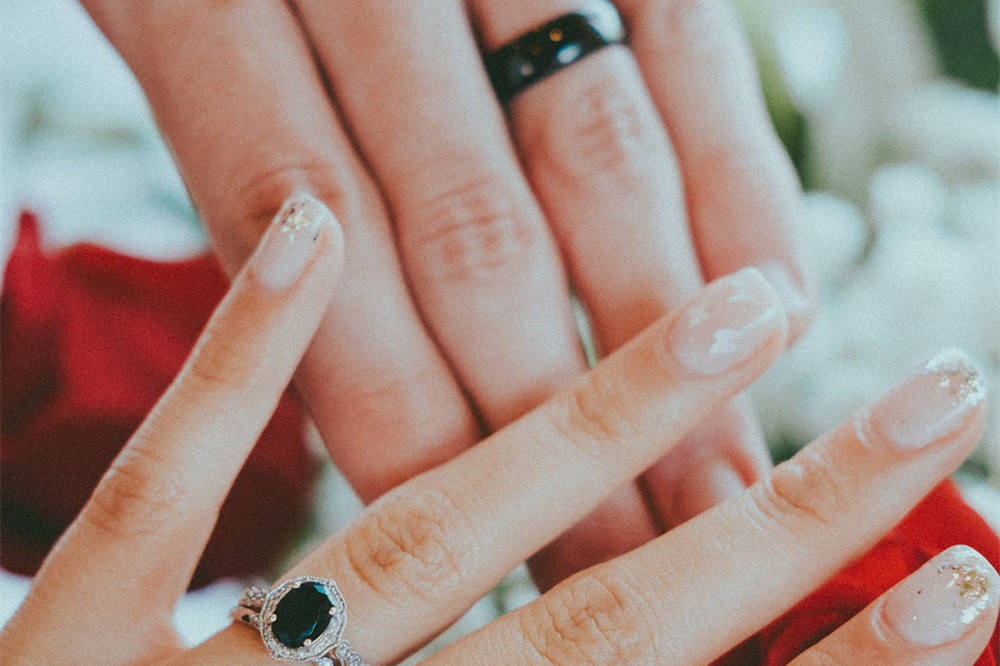
A black wedding ring usually carries the same essential meaning as a gold, platinum, or silver band: it represents marriage and commitment. The color itself does not have one universally accepted definition.
Some people associate black with strength, loyalty, or resilience, while others choose it because they prefer a modern, understated ring. Practical concerns such as comfort, durability, work, and maintenance can also influence the decision.
Common Meanings Behind a Black Wedding Ring
The tradition of exchanging wedding rings has changed considerably over time. Modern couples can choose different metals, colors, finishes, and designs rather than following one standard. A black band is one of many ways to make a familiar symbol feel more personal.
Strength and Lasting Commitment
Black is sometimes associated with strength, confidence, and permanence. For that reason, a couple may choose black bands to represent a relationship that remains steady through both joyful and difficult periods.
The solid appearance of materials such as tungsten, titanium, and ceramic can reinforce that symbolism. However, strength is a meaning chosen by the wearer rather than an established rule that applies to every black ring.
Individuality and Modern Style
A black wedding band offers an alternative to traditional yellow gold and bright, silver-toned metals. It may appeal to someone who prefers minimalist jewelry, darker colors, or a ring that feels less conventional.
The finish can change its character. A matte band looks quiet and understated, while a polished surface feels more formal. Brushed, hammered, grooved, and mixed-material designs add detail without losing the clean appearance that draws many people to black rings.
Choosing a nontraditional color does not make the ring less meaningful. Wedding jewelry has continued to evolve, and couples increasingly select bands that reflect their individual tastes rather than expecting both rings to look identical.
Personal Meaning Chosen by the Couple
Sometimes the most important meaning has little to do with the color. A black wedding ring may remind the couple of a shared experience, represent a private promise, or coordinate with another meaningful piece of jewelry.
Engravings can make the symbolism more specific. A date, location, fingerprint, phrase, or set of initials may carry greater emotional significance than the ring’s material or finish.
The long history of wedding rings shows that their designs and customs have changed across different periods and cultures. What remains consistent is the couple’s decision to use the ring as a visible sign of commitment.
Sometimes the Choice Is Practical Rather Than Symbolic
Not every black wedding ring is selected for a deeper symbolic reason. A person may simply want a band that feels comfortable, suits an active routine, or requires less concern about everyday wear.
Black bands are available in several materials, each with different advantages and limitations:
- Tungsten carbide feels substantial and resists many everyday scratches, but it can crack after a hard impact and generally cannot be resized.
- Titanium is strong and much lighter than tungsten. Dark titanium rings usually receive a surface treatment, which may show wear depending on how the finish was produced.
- Ceramic is lightweight, smooth, and highly scratch-resistant. Its black color is part of the material, although the ring can chip or break if struck forcefully.
- Silicone is flexible, inexpensive, and easy to replace. It is often worn during exercise, travel, outdoor activities, or situations in which a metal band feels inconvenient.
- Black-coated precious metals combine a familiar base metal with a darker appearance. The surface may gradually wear and require refinishing.
There is no single best ring material for everyday wear. The right choice depends on the wearer’s lifestyle, comfort preferences, maintenance expectations, and whether future resizing is important.
Does a Black Wedding Ring Mean Someone Is a Swinger?
No. A black wedding ring does not automatically indicate that someone is a swinger or belongs to any particular relationship community.
The idea comes from online discussions claiming that a black ring worn on certain fingers of the right hand acts as a discreet signal. The supposed rules vary from one source to another, making them too inconsistent to use as a reliable code.
Black rings are widely worn as wedding bands, fashion jewelry, silicone substitutes, and smart devices. Some communities may use intentionally designed symbols among their members, but a plain band is too common to reveal anything definite about a stranger’s private life. Even a community-focused discussion of the plain black-ring rumor warns that color and placement alone are unreliable.
A black band worn on a wedding-ring finger should generally be understood as a wedding ring unless the wearer explains a different meaning.
Does the Hand or Finger Change Its Meaning?
Placement can suggest that a ring represents marriage, but customs differ between cultures. In the United States and many other Western countries, wedding bands are commonly worn on the fourth finger of the left hand. Right-hand wedding-ring traditions are common in other parts of the world.
Personal preference also matters. Someone may move a ring because of comfort, work, an injury, or the way it fits beside an engagement ring. Modern guidance on how to wear wedding bands recognizes that couples can arrange their rings according to tradition, appearance, or practicality.
A black band on the left ring finger will usually be interpreted as a wedding ring in the United States. On another finger, it could be fashion jewelry, a sentimental piece, or a wearable device. There is no dependable system that assigns a universal meaning to every black ring based on its position.
The Bottom Line
A black wedding ring most often represents marriage while reflecting the wearer’s style, practical needs, or personal symbolism. It may suggest strength, individuality, or modern simplicity, but its color alone does not reveal a fixed or hidden meaning.