
25 Corporate Event Ideas for Employees, Clients, and Company Milestones
Corporate events can recognize employees, deepen professional relationships, celebrate an achievement, or simply give colleagues time to connect away from their usual routines. The most memorable gatherings are rarely the ones with the longest schedule or the largest budget. They are the ones that feel considered from the moment the invitation arrives.
Whether you are planning a relaxed office breakfast, a hands-on team activity, or a formal anniversary reception, these corporate event ideas offer practical starting points that can be adapted to different guests, venues, and budgets.
Employee Appreciation Event Ideas
Employee appreciation feels most meaningful when the event reflects real contributions rather than offering the same generic reward to everyone. The following ideas create room for recognition while still giving employees time to relax and enjoy one another’s company.
1. Recognition Dinner
Reserve a private dining room for 20 to 40 employees and arrange one long table or several small tables with printed place cards. Begin with drinks and appetizers, then recognize honorees between courses so the evening never turns into a long awards presentation.
Instead of announcing that someone has “done a great job,” share a short story about the difficult client they helped, the new employee they mentored, or the project they kept moving during a stressful period. A handwritten note from a manager placed at each honoree’s seat makes the appreciation feel personal long after dinner ends.
2. Employee Awards Ceremony
Turn a conference room, small theater, or hotel ballroom into a simple awards venue with rows of chairs, a low stage, and a photo area near the entrance. Serve sparkling water and small desserts during arrival, then keep the ceremony to about an hour.
Create categories that reflect the different ways people contribute, such as Thoughtful Mentor, Calm Under Pressure, Creative Problem Solver, or Behind-the-Scenes Champion. Include a brief explanation of why each person was selected and give winners a useful keepsake rather than a novelty trophy.
3. Garden Party or Company Picnic
Plan a late-afternoon gathering from around 4:00 to 7:00 p.m. in a shaded park, botanical garden, courtyard, or company lawn. Set picnic tables with simple linens and small jars of seasonal flowers, then add lemonade, grilled food, fruit, and an ice cream cart.
Guests might play cornhole, croquet, or giant checkers, but the games should remain optional. A separate blanket area with bubbles, coloring supplies, and easy snacks can make the event welcoming when employees are invited to bring children.
4. Creative Workshop
Invite a local artist or maker to lead a 90-minute workshop in pottery, calligraphy, watercolor painting, candle making, or floral arranging. Set each place with the required materials before guests arrive so no one spends the first part of the event waiting for supplies.
A floral workshop, for example, could include buckets of greenery and seasonal stems arranged around a central table. The instructor can demonstrate one loose centerpiece, then let participants create their own version to take home. Coffee, pastries, or a light lunch will make the workshop feel like a complete outing rather than a training session.
5. Appreciation Brunch
Host brunch between 10:00 a.m. and noon in a bright restaurant, rooftop dining room, or well-decorated office space. A waffle station, baked egg dishes, fruit, pastries, and a well-stocked coffee bar create an abundant spread without requiring a formal meal.
Place a small envelope at each setting containing a personal note of thanks or a card highlighting one accomplishment from the past year. Keep leadership remarks under ten minutes, then allow the rest of the brunch to unfold naturally.
Team-Building and Social Event Ideas
Team activities should give people something enjoyable to do together without requiring forced introductions, embarrassing performances, or intense competition. A strong event creates several ways to participate, including quieter roles for guests who do not want to be at the center of attention.
6. Collaborative Cooking Class
Book a teaching kitchen and divide the group into small stations. One team might roll fresh pasta while another prepares sauce, dresses a salad, or assembles dessert. An instructor can move between stations, demonstrating each step and helping less experienced cooks.
End the class by seating everyone at one table to share the finished meal. Printed recipe cards tucked into simple folders give employees something useful to take home and help the evening feel complete.
7. Community Volunteer Day
Choose one focused project that can produce a visible result within a few hours. A team might assemble 300 school-supply kits, plant and mulch a community garden, sort food-bank donations, or refresh a room at a local nonprofit.
Arrange labeled workstations before employees arrive and begin with a short explanation from the partner organization about who the project will help. Matching T-shirts are optional, but practical supplies, water, gloves, transportation, and lunch should already be covered by the company.
8. Local Scavenger Hunt
Create a 60- to 90-minute route through a walkable downtown area, museum district, or company campus. QR codes can lead teams to clues about murals, historic buildings, local landmarks, or details hidden in plain sight.
Each group can assign a navigator, photographer, clue solver, and scorekeeper so that participation does not depend on who walks fastest. Finish at a reserved café patio where teams can compare photographs and receive small prizes for creativity, observation, and teamwork rather than speed alone.
9. Casual Field Day
Set up five or six activity stations across a lawn or recreation space, such as cornhole, giant Jenga, putting challenges, relay puzzles, ring toss, and a team mural. Give each guest a card they can stamp at any stations they choose rather than requiring everyone to complete every game.
Add a shaded refreshment tent with cold drinks, fruit, sandwiches, and comfortable chairs. A playlist and a casual emcee can keep the energy lively without turning the afternoon into an aggressive competition.
10. Virtual Creative Workshop
Mail each remote employee a compact kit containing the same materials, such as watercolor postcards, a small terrarium, a coffee-tasting set, or cookie-decorating supplies. Schedule the online session for 60 to 75 minutes and ask participants to open the package together.
The instructor can demonstrate the project in short stages while employees work from home. End with an optional show-and-tell and leave the meeting room open for another 15 minutes so people can talk without feeling that every moment is being formally facilitated.
Client and Partner Event Ideas
A client event should feel like hospitality rather than a disguised sales meeting. The company may be present in the details, but the evening should primarily give guests good food, thoughtful conversation, and access to an experience they would value.
11. Private Dinner or Cocktail Reception
For a small group of important clients, reserve a chef’s table or private dining room and serve a three-course menu with wine and appealing alcohol-free pairings. Seat company representatives between guests so no table feels divided into employees and outsiders.
For a larger reception, use high-top tables, small lounge areas, and passed appetizers rather than assigning seats. A two-minute welcome from the host is enough; skip the sales deck and allow the company’s hospitality to make the impression.
12. Guided Tasting Experience
Arrange four tasting stations devoted to coffee, tea, chocolate, cheese, olive oil, or specialty zero-proof drinks. At each station, a host can explain the origin, flavor, and production process before guests sample a small portion.
Provide a folded tasting card with space for notes and favorite selections. At the end of the evening, guests might take home one locally made chocolate bar, small tea tin, or bag of coffee rather than a heavily branded promotional item.
13. Cultural Outing
Reserve an after-hours gallery tour, museum exhibition, botanical garden walk, or historic-house visit for a group of clients and partners. Begin with a 30-minute guided tour, then move to a courtyard or private room for wine, mocktails, and light hors d’oeuvres.
The invitation should mention how much walking is involved, whether seating is available, and where guests should park. That practical information allows the cultural setting to feel elegant rather than inconvenient.
14. Behind-the-Scenes Company Experience
Open a part of the business that clients do not usually see, such as a design studio, bakery kitchen, manufacturing floor, archive, greenhouse, test laboratory, or prototype workshop. Organize the visit around three short stops rather than one long tour.
At each stop, an employee can demonstrate a single process or object and explain why it matters. Finish in a comfortable reception area with drinks and small plates, where guests can ask questions and speak directly with the people behind the work.
15. Client Appreciation Open House
Invite clients to drop in between 5:00 and 8:00 p.m. rather than asking everyone to arrive at one precise time. Divide the venue into clear areas: a welcome table, drinks station, food area, live demonstration, product or history display, and quieter lounge.
Assign a few team members to greet guests by name and introduce them to others with shared interests. A handwritten thank-you card or locally made treat near the exit gives the event a warm final moment.
Company Celebration and Milestone Ideas
A milestone event is more engaging when it shows how the organization has changed and who helped shape it. Instead of building the entire celebration around a logo and anniversary number, use stories, objects, photographs, and people to make the company’s history visible.
16. Company Anniversary Party
For a major anniversary, transform a venue into a walk through the company’s different eras. Display early photographs near the entrance, arrange memorable products or projects by decade, and place a large timeline along one wall.
Invite former employees, long-term clients, and community partners as well as current staff. A short stage program might include one founder’s story, one employee memory, and a brief look ahead, followed by dinner, music, and an anniversary cake inspired by the company’s original colors or first product.
17. Product Launch Reception
Build the event around three hands-on stations: one showing the problem the product solves, one allowing guests to try it, and one revealing how it was designed or made. This gives people a reason to move through the room instead of standing through a 45-minute presentation.
Use the product’s materials, colors, or purpose as subtle inspiration for the flowers, lighting, menus, and signage. A brief demonstration every 30 minutes will serve guests who arrive at different times without interrupting the entire reception.
18. Charity Gala
Choose one nonprofit partner and build the evening around a clearly defined goal, such as funding a scholarship, restoring a local space, or purchasing equipment for a community program. Display the project visually so guests understand exactly where their support will go.
A seated dinner might include a short video, one speaker with direct experience of the organization’s work, and a focused auction of ten strong items rather than dozens of small donations. End by announcing the amount raised and the next step the funds will make possible.
19. Company History Exhibition
Convert a lobby, hallway, studio, or empty office into a temporary exhibition. Group photographs, sketches, advertisements, uniforms, packaging, correspondence, and prototypes into a clear sequence with short captions.
Add listening stations where guests can hear two-minute recordings from founders, retired employees, or longtime customers. A recreation of an early office desk or first storefront display can become a natural photo spot without requiring a branded backdrop.
20. Rooftop or Courtyard Reception
Schedule the gathering to begin about an hour before sunset so guests can enjoy the changing light. Arrange small lounge groupings, café tables, potted greenery, string lights, and one central bar rather than scattering furniture across the entire space.
Serve foods that are easy to carry, such as small flatbreads, skewers, seasonal salads, and individual desserts. Keep shawls, fans, or umbrellas available depending on the weather, and make the indoor backup plan just as carefully considered as the outdoor setting.
Simple and Low-Budget Corporate Event Ideas
A smaller budget does not require a forgettable event. Concentrating resources on one good meal, a few thoughtful details, and convenient timing can create a stronger experience than spreading money across too many decorations or activities.
21. Catered Office Breakfast
Set breakfast from 8:30 to 10:00 a.m. so employees can attend during the normal workday rather than arriving early. Create separate stations for warm breakfast sandwiches, yogurt and fruit, pastries, coffee, tea, and juice to prevent one crowded buffet line.
Use the gathering to mark a project launch, welcome new employees, or celebrate a demanding quarter. One manager can offer a three-minute thank-you while everyone is seated, leaving the rest of the time for an unhurried meal.
22. Afternoon Dessert Social
At around 3:00 p.m., turn a break room or conference space into a small dessert café. Order three or four specialties from a local bakery, add fruit and coffee, and label ingredients clearly beside each plate.
This format works especially well for recognizing work anniversaries or project completions. Display one photograph or short note for each person being celebrated rather than decorating the room with generic company slogans.
23. Local Walking Tour
Book a 75-minute tour focused on local architecture, public art, food, gardens, or neighborhood history. A guide can lead the group past five or six carefully chosen stops rather than trying to cover an entire district.
Give guests a simple card showing the route and end at a café, bakery, or casual restaurant where a table has already been reserved. Mention the distance, terrain, weather plan, and recommended footwear in advance.
24. Office Pop-Up Café or Themed Lunch
Transform a familiar conference room for one afternoon with café tables, linen napkins, printed menus, and a playlist. A local barista might serve espresso drinks while lunch includes soup, sandwiches, salads, and one well-made dessert.
For an appreciation event, place a small card at each setting describing something the team accomplished together. The change of atmosphere matters more than expensive décor, so hide office supplies, dim harsh overhead lights, and use lamps or battery candles where appropriate.
25. Outdoor Movie Night
Set up a large screen on a lawn or courtyard and open the space an hour before the film begins. Give each guest a snack box with popcorn, candy, fruit, and a canned drink, then arrange blankets and folding chairs in clearly spaced rows.
Choose a broadly appealing film, provide captions, and have an indoor or rain-date alternative ready. A company showing may require permission from the copyright owner or an appropriate license, so confirm the necessary screening permission before promoting the event.
Details That Make a Corporate Event Feel Thoughtful
The main idea gives the event its identity, but smaller practical decisions determine whether guests can relax and enjoy it.
Send a Clear Invitation and Simplify RSVPs
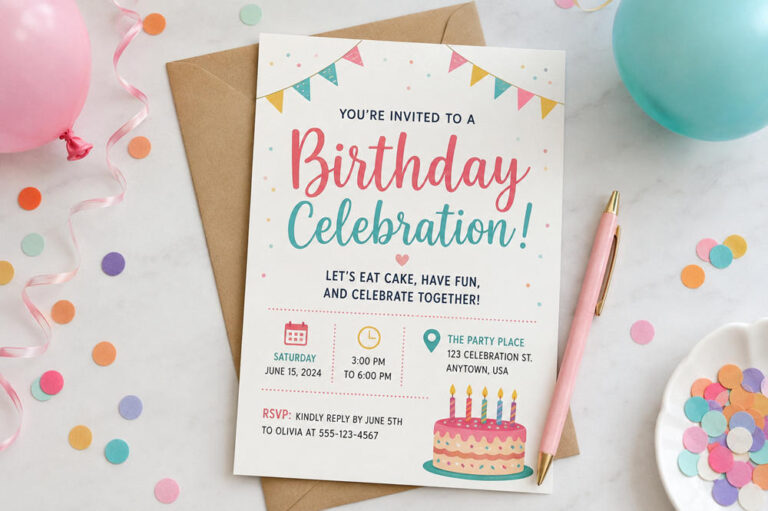
State exactly what the event is, who is invited, when it begins and ends, and what guests can expect. “Join us for a garden dinner celebrating ten years in business” is more helpful than “You are invited to a special evening.”
Include the dress code, guest policy, parking details, RSVP deadline, and one response method. Ask about dietary restrictions and accessibility needs privately rather than expecting guests to raise them after they arrive.
Explain Dress and Arrival Expectations
Give practical context alongside the dress code. An outdoor-casual invitation might mention that the event is on grass, while a cocktail reception in a historic building should note stairs, valet parking, or a separate accessible entrance.
A short arrival note can also explain where to check in, whether identification is needed, and whether activities begin at a fixed time.
Plan for Accessibility and Dietary Needs
An accessible event considers the full guest experience, including parking, entrances, routes through the venue, seating, restrooms, refreshments, and communication. Check these details before booking rather than trying to solve them on the day.
Label buffet dishes and provide substantial choices for common dietary needs. Guests who do not drink alcohol should have options that feel as intentional as the cocktails, such as infused sparkling water, seasonal shrubs, or a dedicated mocktail.
Create Comfortable and Flexible Spaces
Mix standing tables with chairs and low seating so guests can choose how they socialize. Place at least one conversation area away from speakers, demonstrations, or music, and keep walking routes clear of bags, cords, and decorative displays.
Games, workshops, photographs, and performances should be invitations rather than obligations. A guest who prefers to watch, talk quietly, or leave an activity early should still feel fully included.
Add Personal Details and Thank Guests
Use printed pieces where they serve a real purpose: a name card that helps people meet, a menu that identifies ingredients, a timeline that explains the occasion, or a note that recognizes a specific contribution. Avoid filling every surface with slogans and logos.
After the event, send a short thank-you message within a few days. Speakers, volunteers, honorees, nonprofit partners, and anyone who provided unusual help deserve a more personal note describing what their contribution added to the gathering.
Final Thoughts
A memorable corporate event gives guests something specific to experience: a meal prepared together, a company story brought to life, a neighborhood explored on foot, or a sincere moment of recognition. Clear communication, comfortable surroundings, and carefully chosen details can make even a modest gathering feel distinctive and generous.