What Is a Micro Wedding? Guest Count, Cost, and What to Expect
A micro wedding is a complete wedding celebration planned for a small group of guests. It can include a ceremony, dinner or reception, professional vendors, and familiar wedding traditions, all arranged on a more intimate scale.
Although the smaller guest list can simplify some expenses and logistics, couples still need to make thoughtful decisions about invitations, venues, and the experience they want to create.
How Many Guests Are at a Micro Wedding?
There is no official guest-count rule, but a micro wedding generally has no more than 50 attendees. Many wedding professionals use a typical range of about 20 to 50 guests, while others reserve the term for even smaller celebrations.
The list usually centers on immediate family members, close relatives, and the friends who are most involved in the couple’s lives. A wedding with 12 guests and one with 45 guests may therefore both be described as micro weddings.
The exact number matters less than the intention behind it. The couple is choosing a deliberately small gathering rather than hosting a conventional wedding and simply receiving fewer acceptances than expected.
What Does a Micro Wedding Usually Look Like?
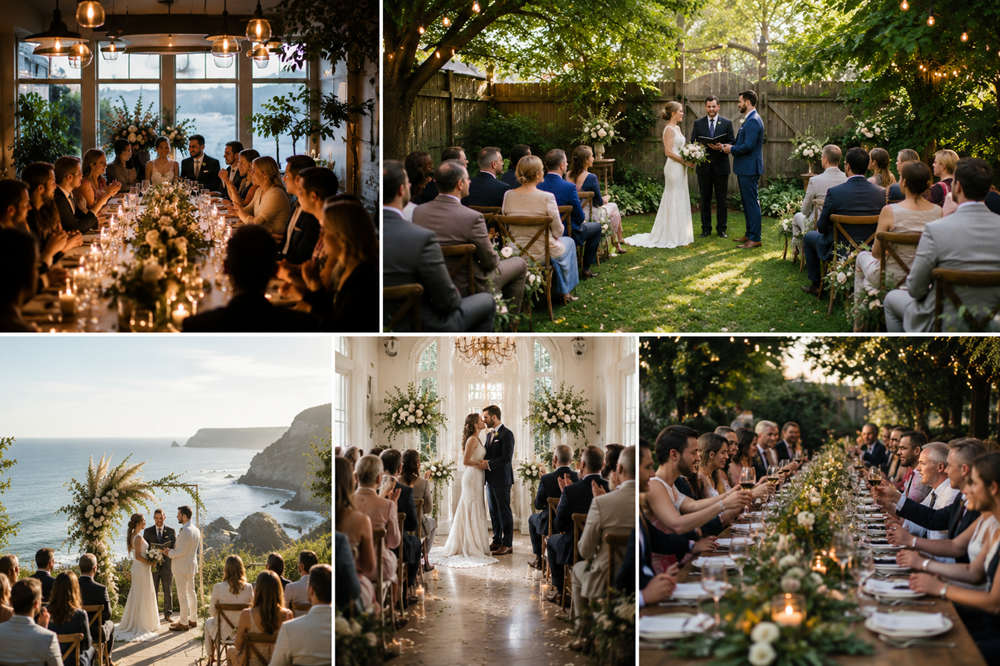
A micro wedding does not follow one required format. Some resemble traditional weddings in miniature, while others feel more like private dinners or weekend gatherings.
A Restaurant or Private-Dining Wedding
The couple may hold a ceremony in a garden, chapel, courthouse, or another meaningful place and then invite guests to a private dining room.
This format works well for couples who want to focus on food and conversation. The restaurant may already provide tables, service staff, tableware, and a comfortable indoor setting, reducing the number of separate arrangements needed.
A Home, Garden, or Destination Celebration
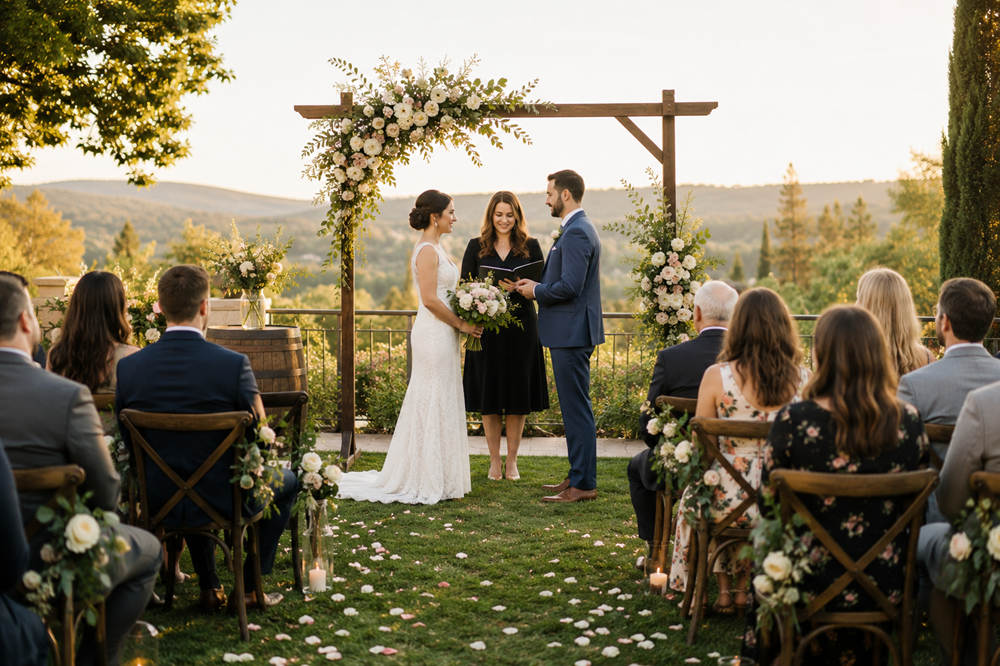
A backyard or family home can create a relaxed and personal atmosphere, particularly when the property already has sentimental value. Couples may hold the ceremony outdoors and follow it with a catered meal beneath a tent or on a patio.
A small destination wedding can also become a shared weekend. Guests might attend a welcome dinner, the wedding itself, and a farewell breakfast without the schedule feeling crowded or impersonal.
A Smaller Traditional Reception or Shared Experience
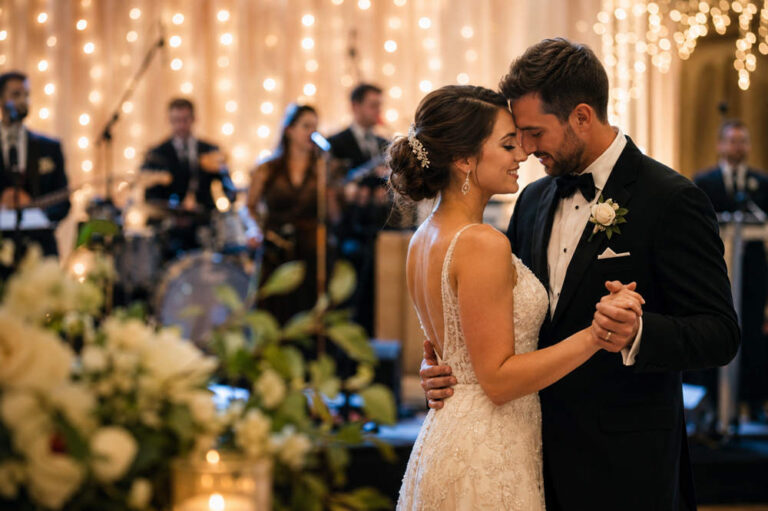
A micro wedding can still include a ceremony, cocktail hour, seated dinner, speeches, cake cutting, and dancing. The main difference is that each part is designed for a few dozen guests rather than a large ballroom crowd.
Other couples replace the conventional reception with an experience that suits the group, such as a long lunch, boat ride, picnic, wine tasting, or private performance. The event can be simple or elaborate as long as it feels complete to the couple.
Micro Wedding vs. Elopement, Minimony, and Intimate Wedding
These terms are sometimes used interchangeably, but they generally describe different types of celebrations.
Micro Wedding vs. Elopement
An elopement usually centers primarily on the couple and the ceremony. It may include an officiant, witnesses, a photographer, and a few loved ones, but it rarely involves a conventional guest-focused reception.
A micro wedding is deliberately planned as a shared celebration. Guests are invited to witness the ceremony and usually remain for a meal, reception, or other activity afterward.
Modern elopements can still be carefully planned and beautifully styled. The distinction is not about effort or quality; it is about whether the day is primarily private or designed around celebrating with a small group.
Micro Wedding vs. Minimony
A minimony is generally a very small and relatively simple ceremony, often attended by no more than about 10 people. It may include a short meal or cake afterward, but it usually involves fewer reception elements and vendors than a micro wedding.
Some couples hold a minimony before a larger celebration at a later date, although a second event is not required. A micro wedding is more commonly intended to serve as the couple’s main wedding day, complete with the traditions and hospitality they want to include.
Micro Wedding vs. Small or Intimate Wedding
“Small wedding” and “intimate wedding” are broader descriptions without a universally accepted numerical limit. One couple may consider 75 guests intimate, while another may use the term for a dinner with 15 people.
A micro wedding usually suggests a more deliberately restricted count, commonly 50 or fewer. An intimate wedding describes the mood as much as the size and can include a larger number of guests.
How Much Does a Micro Wedding Cost?
There is no standard price for a micro wedding. Wedding expenses vary considerably according to location, guest count, and personal priorities.
A smaller guest list can lower the total, but it does not reduce every expense. Some costs are calculated per attendee, while others remain similar regardless of how many people are present.
Costs That Usually Change With the Guest Count
The clearest savings tend to come from items purchased or rented for each guest, including:
- Meals and drinks
- Tables, chairs, linens, and place settings
- Invitations and postage
- Wedding favors and welcome gifts
- Guest transportation or accommodation paid for by the couple
A smaller group may also allow the couple to choose a more compact venue and order fewer centerpieces, menus, escort cards, and other reception details.
Costs That May Stay Similar
Other expenses are based more on time, skill, or service than on attendance. These may include:
- Wedding attire and alterations
- Photography and videography
- Officiant services
- Hair and makeup
- Music or entertainment
- Transportation for the couple
- Marriage license fees
Venues and caterers may also require minimum spending, especially on popular dates. A couple inviting 30 guests could therefore pay a higher amount per person even when the overall bill is lower.
Some couples use a micro wedding to spend less. Others keep a generous budget and direct more of it toward each attendee through an elaborate meal, premium drinks, custom stationery, guest accommodations, or a destination experience.
Challenges of Having a Micro Wedding
A smaller wedding can reduce certain logistical demands, but it also makes every invitation and planning choice more noticeable.
Creating a Limited Guest List
Narrowing the list to the couple’s closest circle is often the hardest part. Inviting one person may create an expectation that a partner, sibling, cousin, or entire family group will also be included.
Couples should decide early how they will handle children, optional plus-ones, extended relatives, and parents’ requested guests. The same rule should be applied as consistently as possible on both sides.
A spouse, fiancé, or partner in a committed relationship should generally be included by name rather than treated as an optional plus-one.
Managing Family Expectations
Parents or relatives may have imagined a larger celebration and feel disappointed when familiar names are absent from the list. It is usually more helpful to explain the overall boundary than to defend every individual decision.
The couple might say that the venue holds only 30 guests or that the celebration is limited to immediate family and a small group of close friends. A clear, consistent explanation is less likely to invite negotiation.
Financial contributions should also be discussed carefully. Before accepting money, the couple and contributor should agree on whether it comes with expectations about invitations or other wedding decisions.
Finding a Venue That Fits the Event
A room that is too large can make a small gathering feel sparse, while a space that is too tight can make dinner and movement uncomfortable. Private restaurant rooms, inns, courtyards, gardens, boutique hotels, and small galleries often suit micro weddings better than large ballrooms.
Couples should confirm the venue’s minimum spending, capacity, accessibility, parking, noise rules, and bad-weather options before signing a contract. A space marketed for intimate events is not automatically affordable or practical.
Planning an Atmosphere for a Small Group
Entertainment designed for a large crowd may not work in the same way for 20 or 30 guests. A large dance floor, for example, may remain quiet if only a few attendees enjoy dancing.
A shared table, warm lighting, acoustic music, conversation-friendly seating, or a thoughtful dinner service can create energy without trying to imitate a reception for hundreds of people.
Remembering That a Small Wedding Still Requires Planning
A limited guest list does not remove the need for contracts, schedules, payments, meal choices, transportation, weather plans, and vendor communication. The quantities may be smaller, but the wedding still has several moving parts.
Couples should also avoid assigning every practical job to relatives simply because the group is intimate. Guests should be able to take part in the celebration rather than spending the day coordinating deliveries, arranging flowers, or cleaning the venue.
Is a Micro Wedding Right for You?
A micro wedding may suit couples who prefer personal interaction to a large crowd and who are comfortable placing firm limits on the guest list.
Before choosing this format, consider the following questions:
- Can we create a guest list of 50 people or fewer without leaving out relationships that are important to us?
- Do we prefer a relaxed meal or intimate gathering to the energy of a large reception?
- Are we prepared to communicate the guest-list boundaries clearly?
- Would a smaller group help us spend our budget on the details we value most?
- Does the format reflect what we genuinely want rather than pressure to simplify the wedding?
A micro wedding may be less suitable for couples with large, closely connected families or those who have always imagined a crowded dance floor and an expansive reception. When the smaller scale matches the couple’s priorities, however, it can provide all the significance and tradition of a wedding in a setting that feels more personal.