What Is a Wedding Reception? Meaning, Events, and Common Types
A wedding reception is the celebration held in honor of a newly married couple, usually after the wedding ceremony. It gives the couple and their guests time to share food, conversation, music, dancing, or other festivities.
Receptions can range from formal evening dinners to relaxed brunches or small gatherings at home. The details may differ, but the central purpose is the same: bringing people together to celebrate the marriage.
What Is a Wedding Reception?
A wedding reception is a social gathering at which the couple welcomes the people who have come to celebrate with them. The word reception is connected to the act of receiving or welcoming people, which reflects the couple’s role as hosts.
The reception gives guests an opportunity to congratulate the newlyweds, spend time with family and friends, and enjoy the occasion together. It also allows the couple to thank the people who attended and supported them.
Most receptions include some form of food or refreshments, but a full dinner is not required. A couple might serve a plated meal, a buffet, appetizers, brunch dishes, cake, or simple refreshments. Music and dancing are common as well, although a quiet restaurant meal or afternoon garden gathering can serve the same purpose.
A reception is therefore not defined by its size, cost, venue, or formality. It is defined by the act of gathering with guests to celebrate a marriage.
Wedding Ceremony vs. Wedding Reception
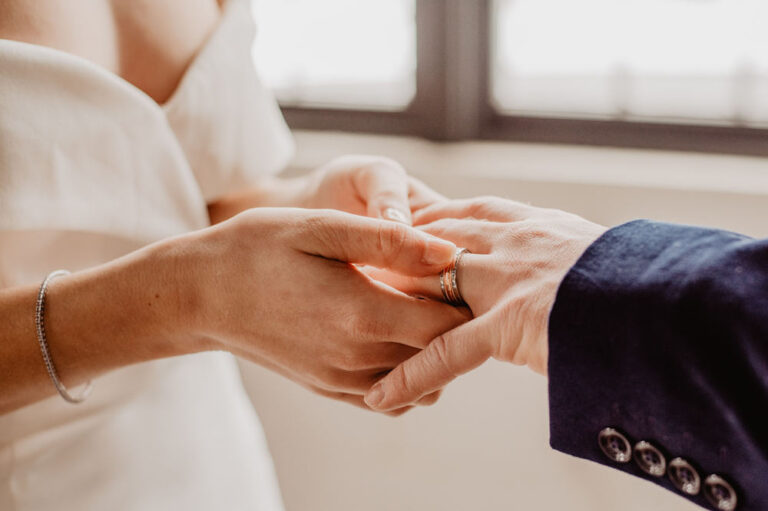
The wedding ceremony is the part of the day in which the couple makes their commitment and becomes married. Depending on their beliefs and preferences, it may include vows, an exchange of rings, readings, prayers, symbolic rituals, or the signing of legal documents.
The reception is the social celebration that follows. Instead of focusing on the marriage ceremony itself, it gives guests time to congratulate the couple, enjoy refreshments, listen to speeches, and take part in the festivities.
The ceremony and reception may take place in different areas of the same property or at separate venues. For example, a couple may marry in a place of worship and then continue the celebration at a hotel, restaurant, garden, or private home. The clearest difference between the ceremony and reception is that one marks the marriage, while the other celebrates it.
What Happens at a Wedding Reception?
There is no required order of events for a wedding reception. The schedule depends on the couple’s culture, religion, venue, meal format, and personal priorities.
The following sequence is common at many Western weddings, but receptions shaped by other cultural or religious traditions may look very different.
Guest Arrival or Cocktail Hour
After the ceremony, guests may move directly into the reception area or travel to another venue. If the main reception has not begun, they are often welcomed with drinks, appetizers, and a place to socialize.
This period is commonly called the cocktail hour, although it does not have to include alcohol or last exactly one hour. Guests might sign a guest book, look at the seating chart, listen to music, or talk with other attendees.
The couple may join the gathering immediately or use part of this time for photographs before entering the main reception.
The Couple’s Entrance and Welcome
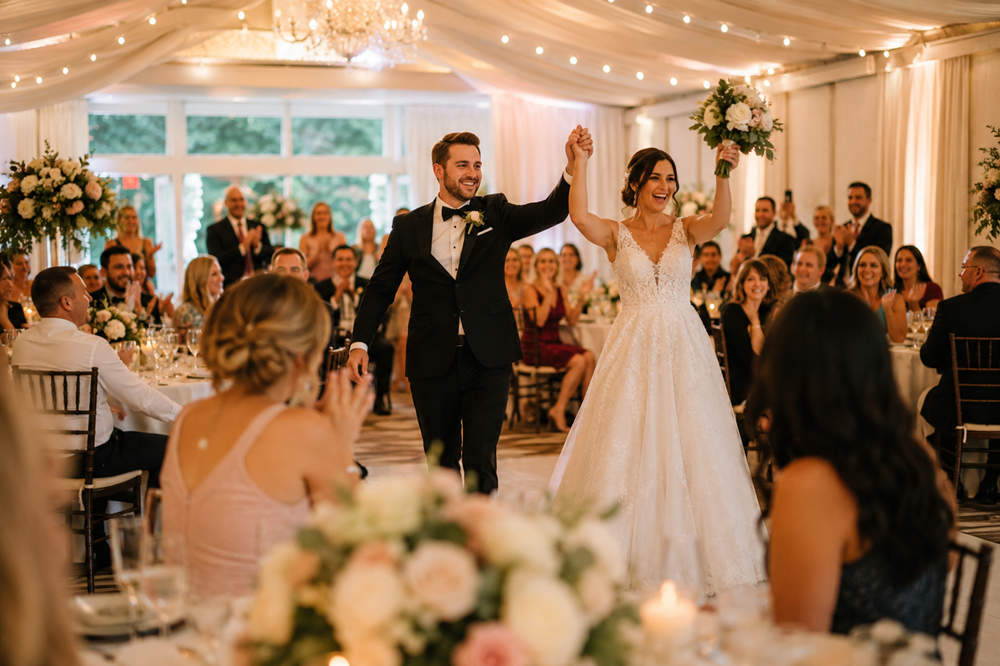
The reception may formally begin with the introduction of the wedding party and newlyweds. At a more relaxed celebration, the couple may simply enter and begin greeting guests without an announcement.
A parent, family member, or the couple may then offer a brief welcome. This usually includes thanking everyone for attending and inviting guests to enjoy the celebration.
Some couples have their first dance shortly after entering, while others wait until after the meal. The order can be adjusted to suit the atmosphere and pace of the event.
The Meal and Toasts
Food may be served as a plated dinner, buffet, family-style meal, brunch, lunch, or collection of small plates. At shorter receptions, guests may be offered only cake, drinks, and light refreshments.
Speeches and toasts often take place during or shortly after the meal. Parents, members of the wedding party, or other loved ones may welcome guests, share memories, and offer good wishes to the couple.
The couple may also say a few words of their own, particularly if they want to thank their families, wedding party, and guests.
Dancing and Entertainment
Once the meal and speeches have ended, the reception may move into dancing or entertainment. Music can be provided by a DJ, live band, solo musician, or prepared playlist.
The couple may share a first dance, followed by dances with parents or other important family members. Some receptions also include cultural performances, traditional dances, games, photo booths, or activities that reflect the couple’s interests.
Dancing is not essential. At an intimate dinner or daytime gathering, guests may spend most of the reception eating, talking, listening to music, and enjoying one another’s company.
Dessert and the End of the Reception
Wedding cake remains a familiar reception dessert, but couples may choose pies, pastries, cookies, ice cream, fruit, or another favorite treat. Dessert can be introduced with a formal cake-cutting moment or served without an announcement.
The reception may end with a final dance, a few words of thanks, or a planned departure. Some couples arrange a send-off with bubbles, flower petals, ribbon wands, or another venue-approved detail.
Others simply spend time with their guests until the scheduled closing time. A typical wedding reception timeline can provide a useful framework, but it should be adapted rather than treated as a set of rules.
Common Wedding Reception Styles and Settings
A reception can be shaped around the guest count, time of day, preferred atmosphere, venue, and type of food being served. These are some of the most familiar styles and settings.
Formal Seated Reception
At a formal seated reception, guests are usually assigned to tables and served a multi-course meal. The event may include scheduled introductions, speeches, dances, dessert service, and live or recorded music.
This style is often associated with ballrooms, hotels, banquet halls, and historic properties, but it can be adapted to many venues.
Buffet or Family-Style Reception
At a buffet reception, guests select food from a central serving area. Family-style service places shared platters on each table so guests can serve themselves while seated.
Both options tend to feel more relaxed than a formal plated dinner while still allowing the couple to provide a substantial meal.
Cocktail Reception
A cocktail reception centers on drinks, appetizers, food stations, and conversation rather than a traditional seated dinner. Guests may move freely between tables, lounge areas, and serving stations.
This format can create a lively social atmosphere, especially when the food is served gradually throughout the event. Comfortable seating should still be available for guests who cannot stand for long periods.
Brunch or Lunch Reception
A brunch or lunch reception usually follows a morning or early-afternoon ceremony. Brunch menus may include pastries, eggs, fruit, pancakes, coffee, and sparkling drinks, while lunch can include salads, sandwiches, entrées, or buffet dishes.
Daytime receptions often have a lighter, more relaxed atmosphere, although they can still include speeches, music, cake, and dancing.
Cake-and-Punch Reception
A cake-and-punch reception is a shorter celebration built around wedding cake, drinks, and simple refreshments. It is usually scheduled outside traditional lunch or dinner hours so guests do not arrive expecting a full meal.
The invitations or reception details should clearly indicate the timing and style of the gathering. Even without an elaborate menu, the event can feel welcoming when guests have comfortable seating and enough time to congratulate the couple.
Backyard or Garden Reception
A private backyard, courtyard, or garden can create a warm and personal setting. The reception might include a catered dinner, barbecue, picnic, afternoon tea, or casual meal beneath string lights.
Outdoor settings can feel intimate and distinctive, particularly when the location has personal meaning for the couple or their families.
Restaurant Reception
A restaurant reception works especially well for a smaller guest list. The couple may reserve a private dining room, part of the restaurant, or the entire space.
The celebration usually centers on an extended meal, conversation, and toasts. Because dining furniture, tableware, kitchen facilities, and service staff are already available, fewer reception elements need to be brought into the venue.
Can the Ceremony and Reception Be Held Separately?
The ceremony and reception do not have to take place in the same location. Guests may travel from a church, courthouse, garden, or other ceremony site to a restaurant, hotel, event venue, or private home.
The reception might begin immediately afterward or later in the day. When there is a significant break, guests should receive clear information about the time, location, and any transportation arrangements.
The two events can also be held on different dates. A couple may have a small legal, religious, or destination ceremony and arrange a larger reception several weeks or months later. The later event may be described as a wedding reception, belated reception, or celebration of marriage.
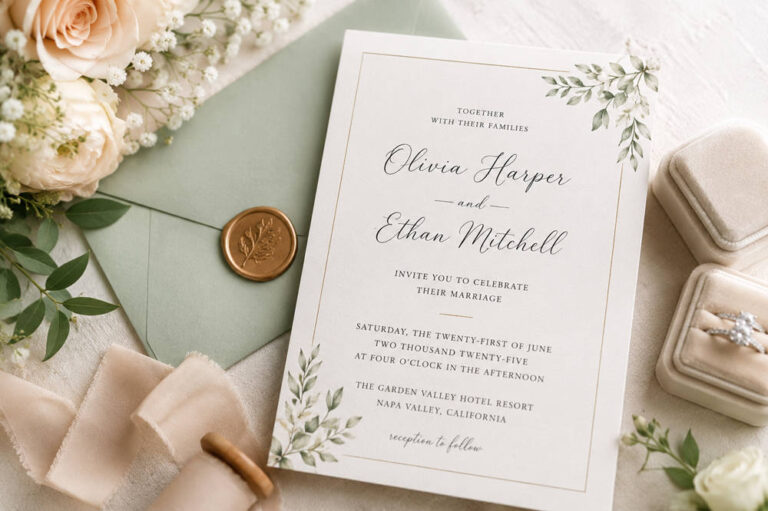
A private ceremony may be followed by a reception with a larger guest list. However, traditional etiquette generally favors inviting anyone who attends the ceremony to the reception as well. Reception invitation wording should make it clear when guests are being invited only to a celebration held after a private marriage ceremony.
Each event should have its correct date, time, and address. Guests should never have to guess whether their invitation includes the ceremony, reception, or both.
The Meaning Behind the Reception
The most visible parts of a reception may be the food, flowers, music, speeches, and dancing, but its deeper meaning lies in hospitality. It is the couple’s opportunity to welcome the people who have gathered for them and share the happiness of the occasion.
A reception may fill a ballroom or fit around one restaurant table. Whether it lasts an hour or continues into the evening, it creates a shared moment in which family and friends can honor the marriage and celebrate the couple’s new life together.