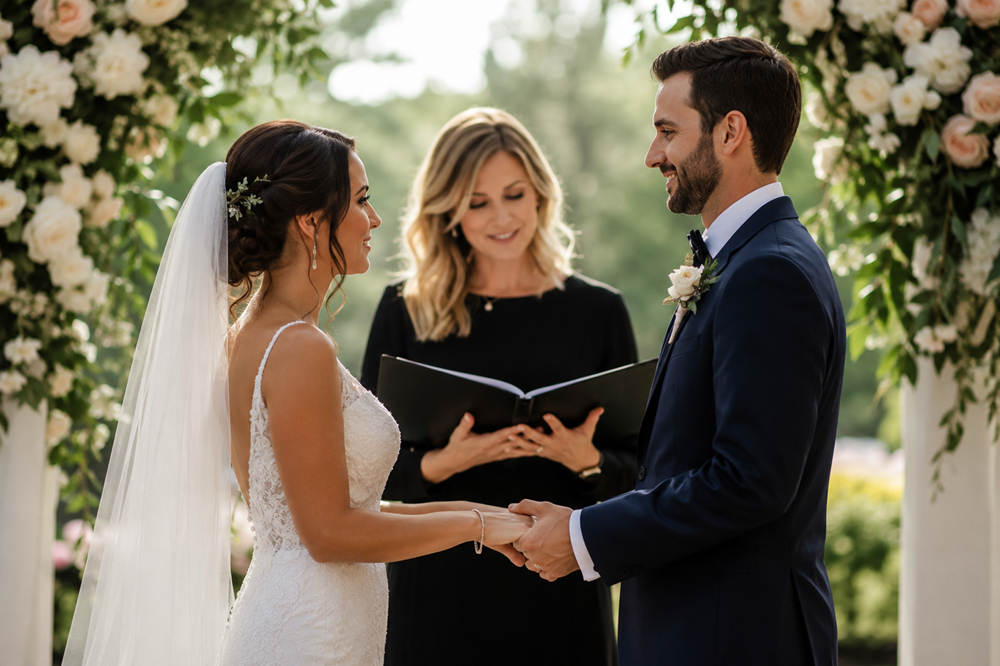
How to Become a Wedding Officiant and Legally Perform a Marriage Ceremony
To become a wedding officiant in the United States, you generally need to confirm the law where the ceremony will take place, obtain an accepted form of authorization, register locally if required, perform the necessary ceremony elements, and complete the marriage license correctly.
There is no single nationwide process. A friend may be able to officiate through online ordination in one location, while another jurisdiction may require a one-day appointment or government registration. Always verify the rules with the office that issues or records marriage licenses where the wedding will happen.
Can Anyone Become a Wedding Officiant?
Not everyone is automatically permitted to perform a legal marriage, but many adults can become qualified. Depending on the jurisdiction, authorized officiants may include ordained or licensed clergy, judges, justices of the peace, certain public officials, notaries in some states, and people granted temporary authority for a specific wedding.
Online ordination is one possible route, but receiving an ordination certificate does not guarantee that every state, county, or city will accept it. Legal authority comes from the laws governing the ceremony location.
How to Become a Wedding Officiant
1. Check the Laws Where the Ceremony Will Take Place
Begin with the wedding location, not your home address or the couple’s residence. The state where the ceremony occurs usually determines who may solemnize the marriage, and a county or city may have additional procedures.
Search the official website of the relevant county clerk, city clerk, vital-records office, probate court, or marriage bureau. Confirm:
- Which people may legally perform a marriage
- Whether online ordination is recognized
- Whether officiants must register with a government office
- Whether a temporary or one-day appointment is available
- Whether age or residency rules apply
- Which fees and supporting documents are required
Government rules should take priority over information provided by an ordination organization or wedding website. When the official guidance is unclear, contact the office that will issue the couple’s marriage license.
2. Choose an Accepted Authorization Route
Once you know the local requirements, select the authorization that fits your role.
Religious Ordination
Some jurisdictions allow ordained or licensed members of the clergy to perform marriages. Ordination may be completed through a traditional religious body or an online organization, depending on what the jurisdiction recognizes.
Before applying, check whether the organization can provide any documents the local government may request, such as an ordination certificate, minister’s license, or letter of good standing.
Temporary or One-Day Authorization
Some states allow a friend or relative to receive legal authority for one particular ceremony. This can be a practical option for someone who does not intend to officiate additional weddings.
A one-day authorization is normally connected to a named couple and wedding date. It may expire after the ceremony or when the couple’s marriage license expires.
Civil Authority
Judges, magistrates, justices of the peace, court officials, elected officials, or notaries may be permitted to officiate under certain state laws. Holding one of these positions does not automatically provide authority in every state, so local confirmation is still necessary.
County Deputy Programs
Some counties appoint individuals as temporary deputy commissioners of civil marriage. These programs are usually limited to one ceremony and may involve an application, fee, appointment, or brief orientation.
Choose the route that the issuing clerk confirms is valid and that suits whether you are officiating one wedding or may perform ceremonies again.
3. Complete the Ordination or Application
Follow the instructions for your chosen route carefully. A religious organization may require only a short application, while a temporary government appointment may involve more documentation.
You may be asked to provide:
- Your full legal name and contact information
- Government-issued identification
- The couple’s legal names
- The wedding date and location
- A copy or number from the marriage license
- A notarized application
- An application or registration fee
Enter names exactly as they appear on the couple’s paperwork. Small differences, missing signatures, or incomplete notarization can delay an application.
Keep digital and printed copies of your certificate, approval letter, receipt, and any other credential you receive.
4. Register With the Local Government if Required
Ordination and officiant registration are separate steps in some places. Ordination establishes your status with a religious organization, while registration records your authority with a city or county government.
For example, a person performing a marriage ceremony within New York City generally must complete marriage officiant registration with the City Clerk. New York also offers a separate one-day license for someone authorized to marry one named couple. A one-day officiant may perform that marriage anywhere in New York State, although the application must be handled through the same town or city clerk connected to the couple’s license.
Other jurisdictions do not maintain a comparable registry. Do not assume that registration is required—or unnecessary—without checking the relevant government office.
5. Confirm That Your Authorization Has Been Accepted
After completing the process, make one final check with the marriage-license office. State exactly how you have been authorized, such as through ordination, a one-day designation, a deputy appointment, or a qualifying civil position.
Ask whether you must present or retain any of the following:
- An ordination certificate
- A letter of good standing
- An officiant registration certificate
- A temporary appointment or one-day license
- A deputy commission
- Government-issued identification
Bring the relevant paperwork to the wedding, even when the venue or couple does not expect to see it.
Meet With the Couple and Plan the Ceremony
Once your legal authority is settled, meet with the couple to plan a ceremony that reflects their relationship and preferences.
Discuss the overall tone. They may want something formal and traditional, warm and conversational, religious, secular, humorous, or simple and brief. Ask how long they expect the ceremony to last and whether it will include readings, prayers, music, family acknowledgments, cultural customs, or symbolic rituals.
Clarify the personal details you may use:
- How the couple met
- What they value about each other
- Important moments in their relationship
- Stories they are comfortable sharing publicly
- Subjects or family circumstances to avoid
- The correct pronunciation of names
- Whether they will write personal vows
- How they want to be introduced after the ceremony
Do not surprise the couple with embarrassing stories, private information, or jokes they have not approved. Personal remarks should help guests understand the relationship without shifting attention away from the couple.
Write a Clear Wedding Ceremony Script
A written script keeps the ceremony organized and reduces the risk of forgetting an important legal or personal element.
A simple ceremony structure may include:
- Welcome: Greet the guests and introduce the occasion.
- Opening remarks: Speak briefly about marriage, commitment, or the couple’s relationship.
- Reading or ritual: Include any prayer, poem, cultural tradition, or symbolic action.
- Declaration of intent: Ask each person to confirm that they wish to enter the marriage.
- Vows: Invite the couple to read personal vows or repeat traditional promises.
- Ring exchange: Introduce the rings and guide any accompanying wording.
- Pronouncement: Clearly declare the couple married.
- Introduction: Present the newly married couple to their guests.
The declaration of intent and pronouncement are often treated as the legal heart of the ceremony, but exact requirements vary. Confirm whether local law requires particular spoken consent, declarations, or witnesses, then place those elements directly into the script.
Keep your own remarks focused. The ceremony should sound personal without becoming a long speech about your experiences or beliefs.
Rehearse and Prepare for the Wedding Day
Read the finished script aloud several times. Speaking it will reveal awkward sentences, difficult transitions, and sections that are longer than they appear on the page.
Add brief notes showing when to pause, invite the couple to face each other, request the rings, or move aside. Print the script in an easy-to-read font and prepare a backup copy.
Use the wedding rehearsal to coordinate movement and timing rather than delivering the entire ceremony word for word. Confirm:
- Where you and the couple will stand
- When guests should sit or rise
- Who will carry the rings
- Where readers will stand
- When music will begin and end
- Whether a microphone will be available
- How the wedding party will leave
Ask the photographer whether you should move aside during the first kiss, and make sure musicians or the planner know which lines will serve as their cues.
Perform the Ceremony
Arrive early enough to check the ceremony space, test the microphone, and settle any last-minute questions. Bring your script and required credentials.
During the ceremony, speak slowly and clearly. Look at the couple and guests regularly instead of reading continuously from the page. Allow short pauses after the vows, ring exchange, and other emotional moments.
If a minor mistake occurs, correct it calmly or continue without drawing attention to it. A brief stumble will rarely affect the ceremony unless it involves a required legal statement or incorrect personal information.
Make sure the couple gives any legally required consent before you pronounce them married.
Complete and Return the Marriage License
The marriage license is the document the couple obtains before the wedding. After the ceremony, the officiant and any required witnesses complete it. Once the appropriate government office accepts and records the document, the couple can generally request a certified marriage certificate as official proof of the marriage.
Read the instructions before filling in any field. Use the correct ceremony date and location, enter the title that gives you authority to officiate, and sign only in the designated area. Make sure required witness signatures are added before anyone leaves.
Write legibly and do not guess when a field is unclear. Avoid crossing out information or applying correction fluid unless the issuing clerk specifically instructs you to do so.
California’s marriage officiant guidance, for example, requires an officiant to review the license before performing the marriage and return the completed original to the applicable county office within 10 days. California also advises that couples do not automatically receive a certified copy after registration; they must request one from the appropriate county office.
Follow the deadline and return instructions printed on the couple’s license rather than relying on another state’s procedure. If mailing the document, consider using a trackable method and keep a record of the date it was sent.
How Long Does It Take to Become a Wedding Officiant?
The process may take anywhere from a few days to several weeks. Basic ordination can sometimes be completed quickly, but obtaining supporting credentials, notarizing documents, registering with a city, or receiving a temporary appointment can take longer.
Massachusetts illustrates why it is important to start early. A friend or relative can apply for a one-day marriage designation from six months to one week before the wedding, but the state says the certificate usually arrives two to four weeks after the application is submitted. Applying close to the final deadline may therefore leave little room for delays.
Begin researching the requirements as soon as you accept the role. Early preparation gives you time to correct paperwork or choose another valid authorization route if necessary.
Final Checklist Before Officiating a Wedding
- Confirm who may legally officiate where the wedding will occur.
- Choose an accepted authorization route.
- Complete any required ordination, appointment, or registration.
- Keep copies of your credentials and approval documents.
- Plan the ceremony’s tone and personal details with the couple.
- Write and rehearse the complete ceremony script.
- Include all legally required declarations.
- Bring your script and credentials to the ceremony.
- Review the marriage license before the wedding begins.
- Collect the required signatures after the ceremony.
- Return the completed license to the correct office on time.
Becoming a wedding officiant involves more than delivering a thoughtful ceremony. When you confirm your legal authority, prepare carefully, and handle the marriage license correctly, you can give the couple a ceremony that feels both personal and confidently organized.