20 School Event Ideas That Bring Students and Families Together
School events can help students feel more connected, give families a comfortable way to participate, and create experiences that extend beyond the classroom. They might celebrate student work, support a school program, introduce families to one another, or simply add something joyful to the calendar.
The best event does not have to be large or expensive. A relaxed game night, student art show, or community picnic can become a valued tradition when it has a clear purpose and makes different families feel welcome. These school event ideas can be adapted for elementary, middle, or high school communities.
Community-Building School Event Ideas
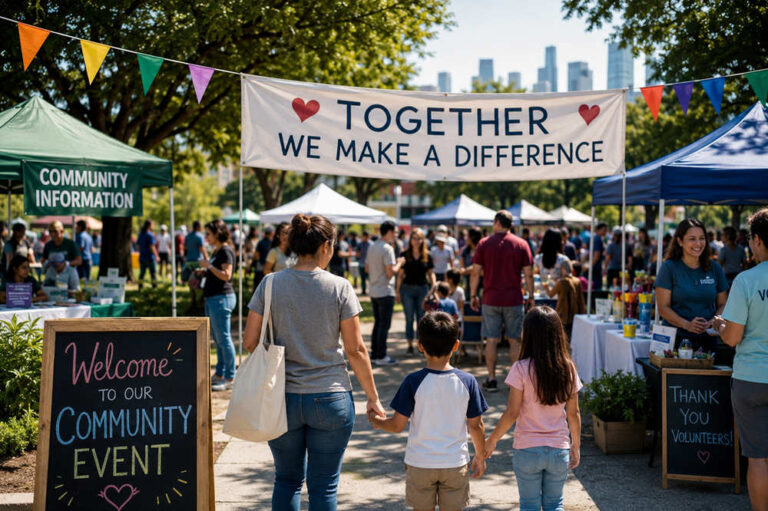
Community events give students, families, teachers, and staff time to connect outside the usual school routine. They work particularly well at the beginning of the year, after a long break, or whenever the school wants to create a stronger sense of belonging.
1. Family Game Night
Fill the cafeteria, library, or gym with board games, card games, puzzles, trivia, and quick team challenges. Set up separate tables for younger children, older students, and mixed-age families so everyone can find something comfortable to play.
Students can greet guests, explain rules, keep scores, or lead short games. A few cooperative challenges, in which families work toward a shared goal instead of competing, can make the evening especially welcoming for people meeting one another for the first time.
2. Outdoor Movie Night
Turn the school field or courtyard into an open-air cinema with a large screen, simple concessions, and space for blankets and folding chairs. Open the grounds before the movie begins so families can find a spot, buy snacks, and spend time together before sunset.
Choose an age-appropriate film, prepare an indoor backup or rain date, and confirm that the school has the necessary public-performance license before announcing the title. A purchased copy or personal streaming subscription does not automatically cover a schoolwide entertainment screening.
3. School Carnival
A school carnival can include classic games, craft tables, food stands, music, face painting, temporary tattoos, and a simple photo area. Each grade, classroom, or student club can manage one booth, spreading the planning work while giving the event more variety.
Instead of trying to rent numerous large attractions, concentrate on well-run activities students can help create. A teacher dunk-tank alternative using wet sponges, a mystery-box challenge, a book walk, or a student-designed mini golf course can be just as memorable.
4. Community Picnic
Invite students, families, and staff to gather on the playground or school field for an informal meal. Guests can bring their own picnic, pre-order a simple school meal, or purchase food from approved vendors if the budget allows.
Add low-pressure activities such as bubbles, sidewalk chalk, lawn games, music, and a scavenger hunt. Keep the schedule loose so families have time to talk rather than moving continuously from one organized activity to another.
5. Culture and Community Night
Celebrate the languages, traditions, family histories, food, art, music, and stories represented in the school community. Families might create displays, teach a simple game, share a recipe, demonstrate a craft, or contribute an object that carries personal meaning.
A passport activity can guide children around the room, but participation should remain voluntary. Let families decide how they want to tell their own stories rather than asking individuals to represent an entire culture, country, or community.
Creative and Educational School Events
Educational events are most engaging when students demonstrate, explain, and create rather than simply displaying completed assignments. Families should be able to explore at their own pace and take part in some of the activities alongside their children.
6. Student Art Show
Transform hallways, classrooms, or the gym into a temporary gallery featuring work from every grade. Paintings, drawings, photography, ceramics, digital art, sculptures, and collaborative installations can all be presented together.
Add labels with each student’s name, grade, title, and a short description of the work. Student greeters can distribute gallery maps, while older art students lead brief demonstrations or help visitors complete a small take-home project.
7. STEM Discovery Night
Create hands-on stations where families can build paper towers, test small bridges, examine natural objects through microscopes, program robots, solve logic problems, or construct marble runs. Activities that produce a visible result within several minutes will keep visitors moving and experimenting.
Students can present their own projects or help younger children test different designs. Local engineers, scientists, university groups, or community organizations may add demonstrations, but student participation should remain the central feature of the night.
8. Family Reading Night
Use different areas of the school for read-alouds, puppet stories, book-themed crafts, poetry, audiobooks, and independent reading. Older students can read picture books to younger children, while a free book exchange allows families to take home something new.
Include books in languages spoken within the school community and create a cozy reading space away from the busier activities. Families can also write short book recommendations to add to a display for future library visits.
9. School Talent Show
Invite students to share music, dance, comedy, poetry, magic, gymnastics, filmmaking, or another talent. Keep auditions encouraging and use them mainly to confirm timing, safety, and age appropriateness rather than selecting only the most polished performers.
Students who prefer not to appear onstage can host the program, design posters, prepare the set, operate equipment, or help with transitions. Short acts and a clearly organized running order will keep the show lively without making the evening too long.
10. Living History Day
Let students turn historical research into museum-style displays, demonstrations, short performances, and first-person presentations. Classrooms might represent different periods, inventions, local events, or people whose decisions influenced history.
Costumes can add atmosphere, but they should be optional and inexpensive. Ordinary clothing, borrowed pieces, handmade accessories, maps, replica objects, and student-created signs can communicate the setting without requiring families to purchase elaborate outfits.
School Spirit and Celebration Ideas
School spirit should give students a sense that they belong to something shared. These events celebrate creativity, participation, and school traditions without limiting recognition to academic awards or athletic success.
11. Spirit Week
Plan several accessible theme days leading to a schoolwide gathering. Pajama day, school-color day, favorite-book-character day, mismatched-clothing day, and decade day are familiar options that can usually be managed with items students already own.
Add a different shared activity each day, such as classroom trivia, door decorating, lunchtime music, or a friendly grade-level challenge. End the week with a pep rally, outdoor celebration, student performance, or school photograph.
12. Field Day
Combine traditional relays with cooperative games, obstacle courses, target throws, parachute activities, water-carrying challenges, and giant puzzles. Small teams can rotate through stations so students experience different types of movement and problem-solving.
Design each station with more than one role. Students might complete the physical activity, arrange equipment, track results, give directions, or encourage teammates, allowing more children to contribute comfortably.
13. Student Showcase Night
Bring science projects, writing, art, music, drama, coding, videos, and classroom work together in one schoolwide exhibition. Families can move through different rooms while scheduled performances take place in the auditorium, library, or outdoor stage.
Ask students to explain what they created, what challenge they encountered, and what they learned. Highlighting the process behind the work makes the event more meaningful than displaying polished final projects without context.
14. School Dance or Glow Party
Adapt the format to the students’ ages. Elementary schools might hold an early family dance with group songs and activity stations, while middle and high schools may prefer a supervised student dance with clear entry and dismissal procedures.
A glow theme can be created with neon paper decorations, reflective streamers, battery-operated lights, and a brightly decorated photo area. Include snacks, seated conversation space, and a few simple games for students who do not want to spend the entire event dancing.
15. End-of-Year Celebration
Close the school year with music, outdoor games, class performances, a slideshow, memory displays, and time for students to sign yearbooks or notes. The event can celebrate graduating classes while still recognizing the progress of younger students.
Recognition might include kindness, persistence, creativity, improvement, leadership, and teamwork rather than focusing only on grades. A display of student reflections or hopes for the next year can add a thoughtful element to the celebration.
Seasonal School Event Ideas
Seasonal themes make decorating and activity planning easier, and they can develop into familiar annual traditions. Center the event on the season itself so families with different religious and cultural practices feel comfortable participating.
16. Fall Festival
Combine pumpkin decorating, apple-themed games, leaf crafts, sack races, carnival booths, music, and seasonal food. Hay-bale seating, student-painted signs, paper leaves, and wooden crates can create a warm autumn setting without an elaborate decorating budget.
A student performance area or costume-free photo backdrop gives families another reason to stay and explore. Optional bake sales or craft booths can raise money while the main games and activities remain open to everyone.
17. Winter Craft Market
Invite classrooms, student clubs, and approved family vendors to offer handmade cards, artwork, baked goods, decorations, and small gifts. Keep displays clearly labeled and leave generous space between tables so visitors can browse comfortably.
Add a making area where children can paint gift tags, decorate bookmarks, create paper garlands, or assemble simple cards. Scheduled performances by student choirs or instrumental groups can add atmosphere without dominating the entire event.
18. Spring Garden Day
Bring families outdoors to plant flowers, refresh garden beds, start herbs in containers, create plant markers, or develop a small pollinator garden. A seedling exchange can also work well when the school provides clear guidelines about acceptable plants.
Offer nature journals, pot painting, leaf observation, and an outdoor scavenger hunt for children who are less interested in gardening. Assign classes or clubs to maintain the finished spaces so the work continues after the event.
Fundraising and Service School Events
Fundraising and service activities are more meaningful when participants know exactly what their effort will support. Connect the event to a specific school or community need instead of treating fundraising as the only purpose.
19. Walkathon or Fun Run
Create an accessible route around the school grounds, athletic track, or another approved location. Music, banners, themed checkpoints, class colors, and team costumes can make the course festive even when the route itself is simple.
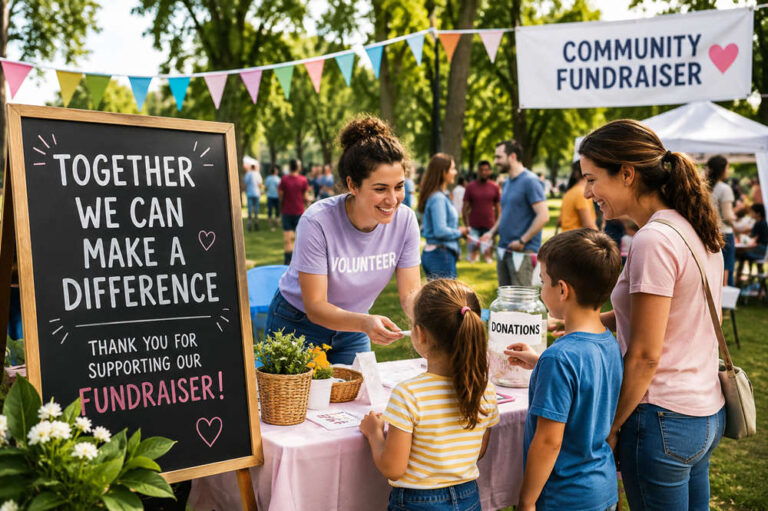
Raise money through optional sponsorships, registration fees, or community partners, and explain how the funds will be used. Participation, teamwork, creative outfits, and school spirit can all be recognized so the event does not revolve only around who raises the most money.
20. Community Service Day
Organize several age-appropriate projects such as assembling care packages, collecting school supplies, sorting donated books, writing cards, cleaning shared outdoor spaces, or preparing materials for a local organization.
Confirm what an organization actually needs before collecting goods or planning volunteer work. At the end of the event, show students what the group accomplished, whether that is the number of kits assembled, books collected, cards written, or spaces improved.
How to Plan a Welcoming and Well-Run School Event
A strong event begins with a clear purpose. Decide whether the main goal is to build relationships, celebrate student work, raise money, support learning, provide service, or strengthen school spirit. This makes it easier to choose activities and avoid adding features that create work without improving the experience.
Give Students Meaningful Roles
Invite students to help choose themes, design invitations, make decorations, introduce performers, welcome families, lead stations, take photographs, and clean up afterward. Real responsibilities create greater ownership than asking students to attend an event planned entirely by adults.
Remove Barriers to Participation
Consider how the time, location, cost, transportation, and sibling policy may affect attendance. A flexible arrival window, family admission cap, sponsored tickets, supervised activity for younger siblings, or shorter event may make participation more realistic.
Welcoming all families also means using culturally and linguistically responsive communication and giving people different ways to contribute. Families who cannot attend planning meetings might complete a survey, prepare materials at home, donate approved supplies, or volunteer for one defined shift.
Make the Event Accessible
Check entrances, pathways, seating areas, restrooms, activity stations, and performance spaces for accessibility. Leave room for mobility devices, provide seating near presentations, caption films and videos, and explain how families can request accommodations before the event.
Public schools are covered by Title II of the Americans with Disabilities Act, which requires equal opportunities for people with disabilities to benefit from public programs and activities. Invitations, event pages, and digital registration forms should also be designed so that families using assistive technology can access the information.
Communicate Essential Details
Every announcement should clearly state the date, start and end times, location, cost, supervision rules, food arrangements, accessibility information, and anything guests need to bring. Explain whether adults must remain with younger students and how dismissal will work.
Share the information through several channels, including email, printed notices, the school website, classroom messages, and translated communications where needed. For events with performances or rotating activities, publish a simple schedule in advance and post it near the entrance.
Plan for Food Allergies
When food is served, follow the school’s food-safety and allergy policies, label ingredients where possible, limit cross-contact, and ensure that volunteers know whom to contact in an emergency. The CDC’s school food-allergy guidance recommends having plans that cover both prevention and emergency response.
A culture night, bake sale, picnic, or concession stand may require additional coordination because food comes from several sources. Families should receive preparation and labeling rules well before the event rather than learning them at the check-in table.
Confirm Safety and Supervision
Coordinate the event with the school’s existing emergency procedures. Identify who is responsible for check-in, student supervision, first aid, severe weather decisions, emergency exits, dismissal, and communication with staff or families.
School emergency planning should address what students, staff, and visitors do before, during, and after an incident. Volunteers need clear assignments and a named event leader rather than being expected to improvise if a problem occurs.
Ask for Brief Feedback
After the event, ask families and students what they enjoyed, what was confusing, whether the timing was convenient, and what would make the next event easier to attend. A few focused questions on a digital form or comment board will usually produce more useful responses than a long survey.
Record attendance, expenses, volunteer needs, popular activities, and lessons learned while the details are still fresh. These notes can save the next planning team from repeating the same problems.
A School Event Does Not Need to Be Elaborate
The right event is the one that matches the school’s goals, resources, and community. A simple reading night may be more meaningful than a large carnival when students are excited to share their favorite stories. A picnic may strengthen relationships when families have few other chances to meet, while a student showcase can give children genuine pride in what they have created.
Choose one clear purpose, plan the event well, and make participation comfortable for different families. Even a modest gathering can become a school tradition when students feel involved and guests feel that they truly belong.