27 Event Marketing Ideas to Build Buzz and Increase Attendance
A thoughtfully planned event still needs a clear and engaging way to reach its audience. People are more likely to register when they can picture the experience, understand its value, and find the practical details they need without difficulty.
These event marketing ideas can be adapted for fundraisers, workshops, festivals, school activities, conferences, pop-ups, community gatherings, and other in-person or virtual events.
What Event Marketing Means
Event marketing can refer to using an event to promote an organization or to promoting a particular event so that people attend. This article focuses on the second meaning: creating awareness, turning interest into registrations, keeping guests engaged, and building an audience for future gatherings.
The strongest event promotion does more than repeat the date and ticket link. It gradually reveals what guests will see, learn, taste, make, support, or enjoy, giving them several meaningful reasons to pay attention.
Event Marketing Ideas That Build Awareness
1. Create a Recognizable Event Identity
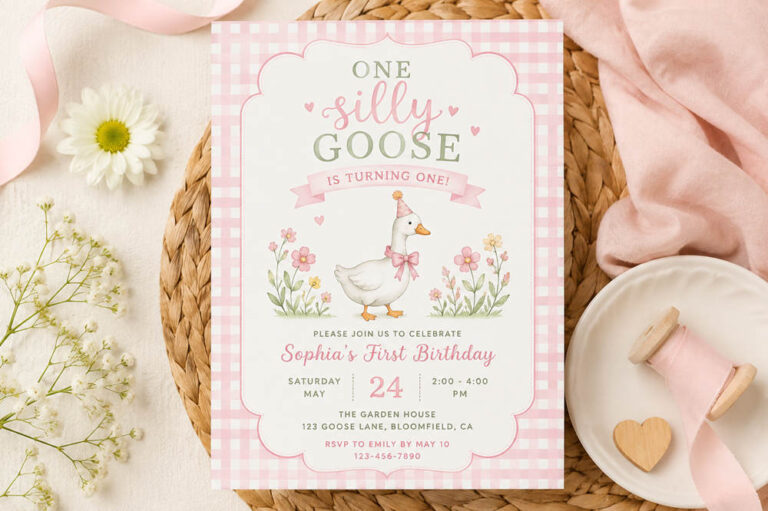
Give the event a consistent name, visual style, and personality before producing individual advertisements. Choose a small color palette, one or two typefaces, a photography or illustration style, and a short message that captures the character of the gathering.
The identity should suit the experience. A garden tour might use botanical illustrations and calm natural colors, while an evening food festival may call for rich photography, handwritten details, and a warmer palette. A professional conference may need a cleaner, more structured look.
Apply the same identity to the registration page, emails, signs, social posts, programs, tickets, and name badges. Repetition of these visual elements helps people recognize the event even when they encounter it on different platforms.
Create simplified versions for small spaces. A detailed poster may work well in print but become unreadable in a social media profile image or mobile advertisement.
2. Lead With the Reason to Attend
The date, time, and location help people plan, but they rarely create interest by themselves. Begin each major promotion with the strongest reason someone would choose the event over another use of their time.
A workshop might help guests learn a practical skill. A fundraiser may offer a direct way to support a local program. A conference could provide access to specialists, while a community festival may bring food, music, and family activities together in one convenient place.
Use concrete language. “Arrange a seasonal centerpiece and take it home” is more persuasive than “Enjoy a creative floral experience.” “Meet six local employers hiring summer interns” is clearer than “Make valuable career connections.”
Different audience groups may value different benefits. Parents may care about convenience and age-appropriate activities, while vendors may be more interested in visitor numbers and community exposure.
3. Launch a Teaser Campaign
Instead of announcing every detail at once, reveal the event in stages. A sequence of small announcements gives the audience several reasons to return and prevents later posts from becoming simple repetitions of the original invitation.
Begin with the date, theme, or a close-up image connected to the event. Later posts can reveal the venue, featured participants, menu, entertainment, activities, prizes, or decorative concept.
A music festival might announce performers one at a time. A school fair could reveal a new attraction every few days. A mystery dinner might share clues about the setting or story without giving away the solution.
Teasers should create curiosity, not confusion. Make the type of event clear and provide an interest-list or registration link from the beginning, even when some details are still being announced.
4. Share Short Video Previews
Short videos can communicate movement, atmosphere, and personality more effectively than a static graphic. They do not require a large production budget; clear phone footage with steady framing and good natural light is often enough.
Film a brief venue walk-through, demonstrate one part of an activity, introduce the host, show a menu tasting, or record an invitation from a speaker. For a returning event, combine clips of guests arriving, activities in progress, and key moments from the previous year.
Keep each video focused on one subject. A 20-second tour of the craft area is easier to watch than a five-minute explanation covering the entire event.
Add captions for viewers who watch without sound, and place the date and registration details in the accompanying text rather than crowding the video with too many words.
5. Feature Speakers, Performers, Vendors, or Hosts
The people involved in an event can make its value feel more specific. Create individual features for speakers, artists, musicians, instructors, chefs, vendors, volunteers, sponsors, or hosts whose participation shapes the experience.
Go beyond a name, portrait, and job title. Explain what the person will contribute. A speaker feature might introduce the question they will address, while a vendor spotlight could show the dish, product, or demonstration visitors can expect.
Consider using a short interview format. Ask participants what they are preparing, what they hope guests will take away, or what they are most excited to share. Their answers can provide warmer and more distinctive promotional copy.
Send each participant a ready-to-share image, suggested caption, event link, and important dates. The easier it is for them to post, the more likely they are to introduce the event to their own audience.
6. Show Behind-the-Scenes Preparations
Preparation content helps an event feel real before the doors open. It shows that people are actively creating the experience rather than simply promoting an idea.
Share moments such as painting signs, arranging welcome bags, selecting flowers, testing a craft, rehearsing a performance, preparing auction packages, tasting menu options, or transforming the venue.
Small details often make the most appealing content. A neatly arranged table of place cards or a row of freshly assembled favors may reveal more care and personality than a general photograph of a planning meeting.
Behind-the-scenes posts are particularly useful for new events that do not have photographs or testimonials from previous years. Reveal enough to build anticipation while saving a few visual surprises for the actual day.
7. Add the Event to Relevant Calendars
Do not rely entirely on the organizer’s existing followers. Event calendars can reach people who are already looking for activities, workshops, performances, or community gatherings in a particular area.
Look for local newspaper calendars, tourism websites, libraries, campus listings, neighborhood associations, professional organizations, arts councils, chambers of commerce, parenting publications, and community radio or television pages.
Choose listings that match the audience. A business seminar may belong on a professional association calendar, while a children’s craft morning is more likely to perform well in family activity guides.
Eligible organizations can also create event updates through a Google Business Profile. These posts may appear with the organization’s information on Google Search and Maps.
Prepare a short description, a longer description, a square image, a horizontal image, and the registration link before beginning submissions. This makes it easier to keep the information consistent.
8. Work With Aligned Community Partners
A well-matched partner can introduce the event to people who already care about its subject. Potential partners include schools, clubs, nonprofits, neighborhood groups, local businesses, venues, cultural organizations, and professional associations.
The relationship should make sense to both audiences. A bookstore might support an author discussion, a gardening club could share a plant sale, and a nearby café may help promote an arts walk that brings visitors to the area.
Partnerships can involve more than reposting an announcement. A partner might distribute flyers, include the event in a newsletter, provide a giveaway item, host a small preview, or offer a benefit to registered guests.
Provide useful materials rather than sending a vague request to “help spread the word.” Include a short description, event image, link, printable flyer, and suggested posting date. Acknowledge the partner naturally when their involvement adds genuine value.
Event Marketing Ideas That Encourage Registration
9. Build a Focused Event Page
Once someone becomes interested, the event page should make the decision to register feel simple. Avoid sending visitors through several screens or expecting them to search social media for essential details.
Include the date, start and end times, venue, ticket price, schedule, age requirements, accessibility information, parking or transportation guidance, refund policy, and a clearly visible registration button.
Explain exactly what the ticket includes. Guests may want to know whether materials, food, drinks, parking, equipment, performances, or additional sessions are included in the advertised price.
Use photographs that reflect the actual experience. A workshop page could show the project participants will make. A community dinner might feature the setting, food, or tables from a previous gathering.
Use language that reflects how people may search. “Beginner Watercolor Workshop in Portland” gives readers and search engines more useful context than a creative title that does not mention the activity or location.
10. Send a Planned Email Series
One invitation is easy to miss. A planned series gives each email a distinct purpose and allows interest to develop without repeatedly sending the same message.
Begin with the main announcement and registration link. Follow with emails that reveal a speaker, activity, menu item, performance, venue feature, or useful detail about what attendees will experience.
As the event approaches, shift from inspiration to preparation. Send information about parking, arrival times, what to bring, ticket access, dress expectations, accessibility arrangements, or weather plans.
Keep each email centered on one main subject and one obvious action. A message about the featured speaker should not also contain several unrelated announcements and multiple competing buttons.
Segment the list when possible. Past attendees may appreciate a welcome-back message, while people who opened an earlier email but did not register may need clearer practical information.
11. Offer an Early Registration Benefit
An early benefit encourages interested people to make a decision instead of postponing registration until the final days. It also gives organizers an earlier estimate for food, materials, seating, staff, and room setup.
The benefit does not always need to be a discount. Early registrants might receive preferred seating, a complimentary item, access to a bonus session, a printed guide, an upgraded ticket, or first choice of workshop times.
Choose something that feels worthwhile without adding disproportionate costs. A reserved activity time may be more attractive and affordable than reducing every ticket price.
State the benefit and deadline clearly wherever the offer appears. Avoid extending the same deadline several times, because repeated “last chance” messages can make future urgency less believable.
12. Introduce Group or Bring-a-Friend Pricing
Attending an unfamiliar gathering can feel easier when guests can bring someone they know. A pair, family, table, or team package can remove social hesitation while increasing the number of registrations within each transaction.
Match the offer to the event. A workshop might sell two seats together, a fundraiser could offer reserved tables, and a family festival may provide one price for two adults and several children.
The saving does not need to be large. The convenience of making one purchase and knowing that everyone will be accommodated together may be enough to encourage a group decision.
Keep the terms straightforward. State how many admissions are included, whether guests need to select individual sessions, and whether the group must arrive together.
13. Create a Referral Reward
Registered attendees are often connected to other people who would enjoy the same event. A referral reward gives them a reason to turn casual recommendations into completed registrations.
Provide a unique link, code, or simple referral form. When a new guest registers through it, the original attendee might receive priority check-in, event merchandise, a ticket upgrade, a complimentary refreshment, or credit toward a future gathering.
Choose a reward that suits the economics of the event. A free admission may be manageable for a lecture with spare seats but less practical for a dinner with significant food costs.
Introduce the referral opportunity immediately after registration, while the attendee is likely to feel most enthusiastic. Include a short message they can personalize instead of expecting them to create promotional wording from scratch.
14. Share Experiences From Past Attendees
Comments from previous guests can help new visitors understand what the event feels like. They offer reassurance about questions that a schedule or ticket description may not answer.
Choose specific comments whenever possible. “The beginner instructions made the pottery class easy to follow” provides more useful information than “It was amazing.” A parent might comment on the range of children’s activities, while a conference guest could describe a connection they made.
Pair testimonials with relevant photographs or details from the same event. A small collection covering different parts of the experience can be more persuasive than repeating several versions of the same compliment.
Obtain permission before publishing a person’s name, image, or words. Use genuine accounts, do not remove context in a misleading way, and disclose when a free ticket, payment, or another benefit may have influenced an endorsement, in line with applicable FTC guidance.
15. Run a Relevant Giveaway
A giveaway can introduce the event to a wider audience when the prize is closely related to the experience. Offer admission, an upgraded ticket, a reserved table, event merchandise, or an item contributed by a participating vendor.
Avoid using an unrelated expensive prize merely to generate entries. It may attract people who want the prize but have little interest in attending, leaving the event with impressive engagement numbers but few meaningful registrations.
Ask participants to complete one or two reasonable actions, such as answering an event-related question, tagging the person they would bring, or joining the event mailing list with clear consent.
Publish rules that explain eligibility, the closing time, how the winner will be chosen, and how that person will be contacted. Follow the requirements of the social platform and the laws that apply where the giveaway is offered.
Once the winner is announced, continue with useful event content so the giveaway leads somewhere rather than becoming an isolated burst of attention.
16. Use Targeted Paid Promotion
Paid advertising can reach people outside the organizer’s current following, but careful targeting is more important than simply spending more money.
Define the likely audience using relevant factors such as location, age range, interests, profession, family situation, or past engagement. A neighborhood market may need a narrow geographic radius, while a virtual seminar can focus on a particular field or interest.
Promote the content that best communicates the event. A short video showing the atmosphere, a compelling participant introduction, or a photograph of the main activity may perform better than a poster filled with small text.
Create more than one version of the message when the event serves different groups. Parents, volunteers, vendors, and general visitors may each respond to a different benefit.
Begin with a modest budget and compare results. Increase spending on the message and audience that produce actual registrations rather than judging success only by views or likes.
17. Send Personal Invitations to Key Guests
Broad promotion creates reach, but direct outreach can be especially effective for people who already have a connection to the event, subject, cause, or organization.
Contact former attendees, donors, volunteers, alumni, customers, community leaders, club members, or professional contacts who are genuinely likely to care.
Make the message personal by explaining why the event brought that person to mind. “You mentioned wanting to try bookbinding at our spring market, so I thought this small workshop might interest you” feels useful rather than promotional.
Personal invitations can also help establish the tone of a new event. Inviting several enthusiastic community members early may create a welcoming foundation and encourage natural word of mouth.
Keep the outreach selective and respect a declined invitation. Repeated messages quickly remove the warmth that makes personal contact effective.
18. Use Timely Text Reminders
Text messages are most useful for brief, time-sensitive information. They may remind guests about a registration deadline, weather update, parking change, check-in requirement, schedule adjustment, or virtual access link.
Keep the message concise. State what has changed or what action is needed, then provide a short link when further details are available. Do not attempt to repeat the entire event description in a text.
Choose the timing carefully. A parking reminder on the morning of the event may be welcome, while several promotional texts during the preceding week can feel intrusive.
Send marketing messages only to people who have clearly agreed to receive them. Provide an easy way to opt out and promptly honor those requests. Organizers in the United States can review current FCC guidance on unwanted calls and texts, while local rules should also be considered.
Event Marketing Ideas for the Event Day
19. Share Live Updates
Event-day posts can show the atmosphere to people who are following from elsewhere and create interest in future gatherings. Select a few moments that reveal the experience rather than trying to document every minute.
Useful updates might include the finished venue, guests arriving, an opening activity, a memorable speaker quote, a popular display, a performance clip, or a quiet detail that reflects the event’s style.
Assign one person to gather content and provide a brief list of essential photographs and videos. This allows other team members to remain focused on welcoming guests and keeping the event running smoothly.
Mix wide views with close details. Crowd scenes communicate energy, while images of table settings, handmade signs, food, programs, or activity materials can show the care behind the gathering.
Make photography practices clear and respect anyone who does not want to appear in public content.
20. Create a Natural Photo Opportunity
A thoughtfully designed photo setting gives guests an activity and produces images that remain visibly connected to the event. It does not need to be a conventional wall covered in logos.
Consider a floral installation, art display, unusual piece of furniture, scenic view, decorated table, large event-related object, or interactive element. The setup should feel like part of the gathering rather than an advertisement placed inside it.
Check the practical details before guests arrive. Make sure the lighting is flattering, the background is uncluttered, and there is enough room for individuals and groups to stand safely.
Add the event name discreetly through a small sign, prop, menu, or decorative detail. This helps viewers identify shared photographs without overwhelming the image.
Place the opportunity where it is easy to discover but does not block check-in, food service, walkways, or another important activity.
21. Give Attendees an Easy Sharing Prompt
Guests may be willing to share the event but unsure what to post. A simple question or prompt gives them a starting point and often produces more meaningful content than a general request to “tag us.”
A conference could ask, “Which idea will you take back to your team?” A tasting event might invite guests to name a favorite dish. A fundraiser could ask why the cause matters to them, while a school celebration might encourage families to share one memorable activity.
Display the prompt, event account, and hashtag where guests naturally pause: near check-in, on programs, beside photo areas, on table cards, or at the end of a presentation.
Keep the hashtag short, easy to spell, and distinct. Test it before the event to make sure it is not already dominated by unrelated posts.
Repost a selection of guest content with permission. Recognition can encourage others to participate while showing the event from more than the organizer’s perspective.
22. Capture Brief Attendee Reactions
Short attendee reactions can become valuable material for the recap and future promotion. They feel immediate and personal because guests are describing the experience while it is still happening.
Ask one focused question that can be answered naturally in a sentence or two. “What has been your favorite part?” “What did you learn today?” and “What surprised you?” are easier than asking for a complete review.
Choose a quiet, well-lit location away from loud music or heavy foot traffic. A simple background and clear audio will make the recording much easier to use later.
Invite a range of attendees to participate so the final collection reflects different experiences. Do not pressure anyone who would rather stay off camera.
Ask permission before recording and explain where the clip may appear, such as on the event website, newsletter, or social channels.
Post-Event Marketing Ideas
23. Publish a Recap While the Event Is Fresh
Share a recap soon enough that attendees are still discussing the experience. A timely post allows guests to revisit memorable moments and gives people who missed the event a clearer sense of what happened.
Include a carefully chosen mix of photographs, short videos, quotations, results, funds raised, awards, volunteer achievements, or other outcomes that matter to the event.
Arrange the recap as a brief story. Begin with the purpose or atmosphere, move through several highlights, and end by acknowledging the people who helped make the gathering possible.
Avoid uploading a large collection of nearly identical photographs without explanation. A smaller, edited selection usually feels more intentional and is easier to view.
For a recurring event, include a clear way to receive future announcements. Do not claim that another date is confirmed unless it actually is.
24. Repurpose Event Material
An event can produce useful material long after the venue closes. Review presentations, demonstrations, audience questions, recordings, photographs, interviews, and handouts for content that can be developed further.
A panel discussion might become several articles organized by topic. A cooking demonstration could produce a recipe and a series of short videos. Questions from a workshop may reveal the subject of a practical guide or future class.
Choose material that remains valuable outside the original event. A clip that depends on several minutes of missing context may need a new introduction before it can stand alone.
Adapt the content to its new format rather than simply reposting it unchanged. A one-hour presentation may become five short lessons, while a photograph could support a written explanation of the preparation behind it.
Confirm that speakers, performers, and attendees have granted the necessary permission before publishing their work, words, or images.
25. Thank Attendees, Partners, and Contributors
A thoughtful thank-you closes the experience gracefully and strengthens the relationships that made the event possible. Different groups deserve messages that reflect their particular involvement.
Attendees might receive selected photographs and a recap. Volunteers can be thanked for the responsibilities they handled, while speakers or performers may appreciate high-quality images they can use in their own communications.
Partners and sponsors may value a brief summary of attendance, funds raised, community response, or other results connected to their contribution. Avoid sending the same generic note to everyone.
Lead with appreciation rather than immediately asking recipients to register for the next event, complete a survey, and share a post. Additional requests can follow, but gratitude should remain the central purpose of the message.
For someone who gave substantial time or personal support, a handwritten card or individual email may feel more meaningful than a public social media mention.
26. Collect Feedback and New Testimonials
Ask for feedback while the event is still easy to remember. A short, focused survey is more likely to be completed than a long form covering details the organizer does not intend to use.
Ask about areas that can influence future decisions, such as registration, communication, venue, schedule, activities, accessibility, food, value, and overall organization.
Specific questions tend to produce more useful answers. “Which session was most helpful?” and “What would have made arrival easier?” provide clearer direction than “Did you enjoy the event?”
Include one open response box for issues or ideas that do not fit the prepared questions. Patterns across several responses are generally more useful than making a major change based on one isolated opinion.
Request permission separately before using a survey comment as a public testimonial. Feedback submitted privately should not automatically become promotional material.
27. Open a Waitlist for the Next Event
Interest often rises immediately after an event, when photographs appear and attendees begin telling others what they enjoyed. Give people who missed it a simple way to hear about the next opportunity.
Create a short form for future dates, early ticket access, volunteer information, vendor applications, or related activities. Ask only for the details needed to provide the promised updates.
Be precise about what joining the list means. “Receive the next workshop announcement” is clearer than a general request to “stay connected.”
When no future date has been confirmed, say so. A priority list can still be useful, but it should not suggest that tickets or plans already exist.
Keep the audience engaged with occasional information that matches their original interest. A useful event recap, a confirmed date, or an early registration announcement is more valuable than frequent messages sent merely to remain visible.
Final Thoughts
The most effective event marketing ideas support one another. A recognizable identity creates familiarity, previews make the experience easier to imagine, and a complete event page gives interested people the confidence to register.
Choose a manageable combination of tactics that fits the event, audience, and budget. A neighborhood gathering may benefit most from community calendars, local partners, and personal invitations. A conference might rely more heavily on participant features, email, search visibility, referrals, and targeted advertising.
Track where registrations come from so future promotion becomes more focused. Separate links, referral codes, registration questions, or campaign parameters can help distinguish visitors arriving through email, partners, social media, advertisements, and other sources.
Above all, show people what they will experience instead of repeatedly announcing that the event exists. When the message explains why the gathering matters and makes participation feel easy, marketing becomes more useful to the audience and more effective for the organizer.