What Is a Black-Tie Wedding? Dress Code, Etiquette, and What to Expect
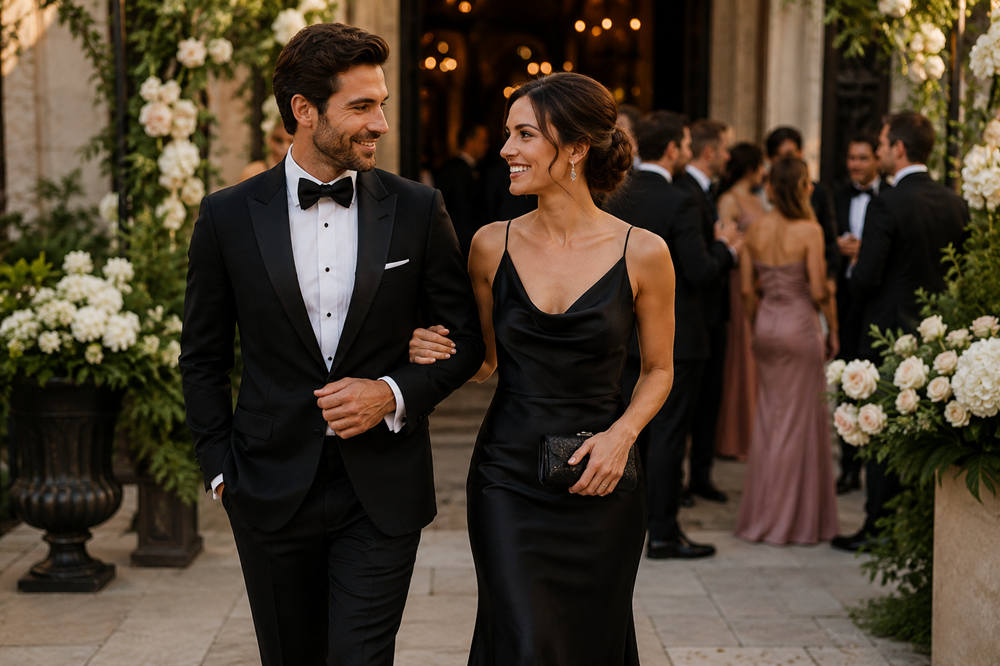
A black-tie wedding is a highly formal celebration where guests are expected to wear traditional evening attire. Tuxedos are standard for suit-wearing guests, while dress-wearing guests may choose an evening gown or another particularly refined formal outfit.
The term describes a level of formality, not a required color palette. Guests do not have to wear black, and the wedding itself does not need to feel rigid, traditional, or extravagant.
What Does Black Tie Mean at a Wedding?
Black tie is one of the most formal dress codes commonly used for weddings. It sits below white tie but above formal, cocktail, and semi-formal attire.
The dress code is traditionally associated with evening events, which is why black-tie weddings often begin in the late afternoon or early evening. Formalwear, candlelight, dinner service, and dancing naturally suit that schedule.
Black tie is also a dress code rather than a wedding theme. A black-tie celebration may be classic and understated, modern and colorful, or creative and highly personal. The defining feature is the formality of the clothing, supported by a thoughtfully organized event.
What Should Guests Wear to a Black-Tie Wedding?
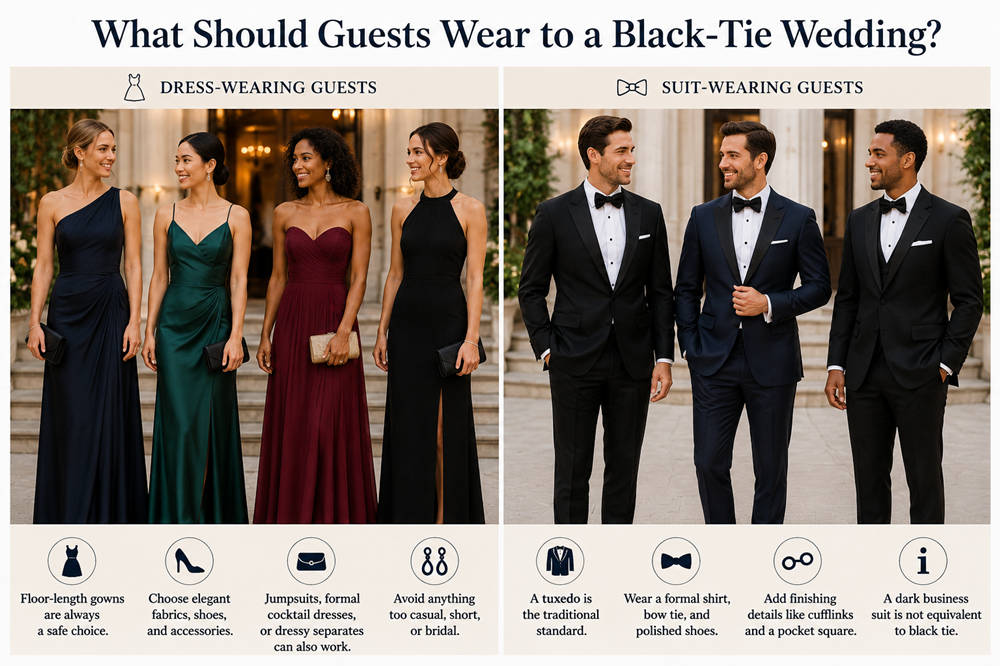
Guests should treat “Black Tie” as a clear attire instruction rather than a general suggestion to dress nicely. The outfit should look appropriate for a formal evening occasion, with attention paid to fabric, fit, footwear, and accessories.
Black-Tie Attire for Dress-Wearing Guests
A floor-length evening gown is the most traditional choice, but it is not the only acceptable option. Established black-tie guidance also includes dressy cocktail dresses and especially refined shorter styles.
The formality of the entire outfit matters more than dress length alone. Silk, satin, velvet, chiffon, crepe, lace, and evening-weight jacquard tend to look appropriate. A simple silhouette can work beautifully when the fabric and construction feel polished.
A formal jumpsuit or elegant set of separates may also suit some weddings. In contrast, casual sundresses, jersey day dresses, cotton styles, and very relaxed silhouettes are generally too informal.
Complete the outfit with polished shoes, a small evening bag, refined jewelry, and an appropriate wrap or coat when needed. Heels are not required; dressy flats can be just as suitable.
Guests may wear jewel tones, metallics, pastels, rich seasonal colors, tasteful prints, or black. The usual wedding etiquette still applies, so clothing that is predominantly white or likely to appear bridal is best avoided unless the couple has requested it.
Black-Tie Attire for Suit-Wearing Guests
A tuxedo is the traditional standard for a black-tie wedding. The classic combination includes a black tuxedo jacket, matching trousers, a formal white shirt, a black bow tie, and polished black shoes.
Midnight blue is also an established eveningwear color. In tropical destinations and certain warm-weather settings, a white dinner jacket may be worn with black tuxedo trousers and the remaining traditional black-tie elements.
Common finishing details include:
- A pleated or piqué-front formal shirt
- Cuff links and shirt studs
- A waistcoat or cummerbund
- Black patent leather or highly polished dress shoes
- Black formal socks
- A simple white pocket square
A standard business suit is not the traditional equivalent of a tuxedo. When an invitation states only “Black Tie,” suit-wearing guests should generally plan to wear or rent a tuxedo.
Formal military dress or formal cultural and national clothing may also be appropriate when it is recognized as suitable ceremonial attire. When uncertain, the guest can ask the couple about the intended level of formality.
How Is Black Tie Different From Other Wedding Dress Codes?
Several wedding dress codes sound similar, but each gives guests a different amount of flexibility.
Black Tie vs. Black-Tie Optional
A strict black-tie dress code traditionally calls for a tuxedo. Black-tie optional still encourages tuxedos but permits a dark formal suit, white dress shirt, conservative tie, and polished leather shoes.
Dress-wearing guests may choose a gown for either dress code. At a black-tie-optional wedding, refined cocktail dresses, formal midi dresses, jumpsuits, and dressy separates tend to be easier to wear without feeling underdressed.
Couples may select black-tie optional when they want an elegant atmosphere without requiring every guest to rent or purchase specialized eveningwear.
Black Tie vs. Formal Attire
Formal attire is polished but less prescriptive. A dark suit and tie are normally acceptable, and dress-wearing guests have a broader choice of gowns, midi dresses, jumpsuits, and elevated separates.
The clearest difference concerns suit-wearing guests: formal attire usually permits a suit, while black tie traditionally calls for a tuxedo.
Black Tie vs. White Tie
White tie is the highest traditional level of evening dress and is rarely requested for modern weddings. It generally involves a black tailcoat, white waistcoat, formal white shirt, and white bow tie for suit-wearing guests. Dress-wearing guests traditionally choose full-length evening gowns.
Black tie remains highly formal but is less ceremonial and more widely familiar. Debrett’s describes it as the most frequently encountered form of formal eveningwear.
What Is a Black-Tie Wedding Usually Like?
The dress code does not dictate every reception decision, but it normally signals that the couple is creating a polished evening experience. Guests may expect a clearly planned schedule, comfortable seating, a substantial meal, attentive service, and an atmosphere suited to formal clothing.
A typical celebration may include an evening ceremony, cocktail hour, assigned seating, dinner, speeches, and dancing. The invitation suite, lighting, music, flowers, table settings, and service may share a consistent level of refinement.
None of these details must be lavish. A small wedding with restrained décor can feel entirely appropriate when the choices are intentional and guests are well cared for. A buffet can also work when it is presented and managed thoughtfully; a plated dinner is common, but it is not what technically defines the dress code.
The venue does not have to be a ballroom. Gardens, private estates, museums, restaurants, historic buildings, and tented outdoor spaces can all host black-tie weddings. The practical question is whether guests can move, sit, dine, and remain comfortable in formalwear.
Current wedding-planning advice often emphasizes a cohesive, guest-centered experience rather than excessive decoration. A formal wedding can still include bright colors, relaxed conversation, playful food, family traditions, and an energetic dance floor.
What Should Couples Consider Before Choosing Black Tie?
Before requesting black tie, couples should consider whether the time, venue, guest list, and reception plan make the dress code reasonable.
Does the Time and Setting Suit Formal Eveningwear?
Black tie fits most naturally with a late-afternoon or evening celebration. A morning ceremony or casual daytime gathering may work better with formal, cocktail, or black-tie-optional attire.
The setting should also accommodate long dresses, tuxedos, and formal shoes. Grass, gravel, sand, steep paths, extreme temperatures, and long walks do not automatically rule out black tie, but guests may need flooring, transportation, covered walkways, heaters, fans, coat storage, or an indoor backup plan.
Is the Dress Code Reasonable for the Guest List?
Formalwear can add to the cost of attending. Some guests may need to rent a tuxedo, purchase a gown, arrange alterations, or buy suitable shoes and accessories.
Couples should consider how easily guests can obtain the requested clothing, especially when the wedding also involves significant travel. Black-tie optional may be a practical alternative because it allows dark suits while maintaining an elegant overall appearance.
Will Guests Be Comfortable and Well Cared For?
A black-tie reception does not need to follow one fixed format, but it should feel considered. Guests should have sufficient seating, suitable food and drinks, accessible facilities, clear transportation information, and protection from difficult weather.
The pace of the day matters as well. Long gaps, unclear transitions, or extended periods without refreshments become more noticeable when guests are wearing structured jackets, formal shoes, and evening gowns for several hours.
How Should Couples Communicate a Black-Tie Dress Code?
Guests should not have to guess the dress code from the venue, invitation colors, or ceremony time. State it clearly and place any additional practical guidance somewhere easy to find.
Place the Dress Code on the Invitation Suite
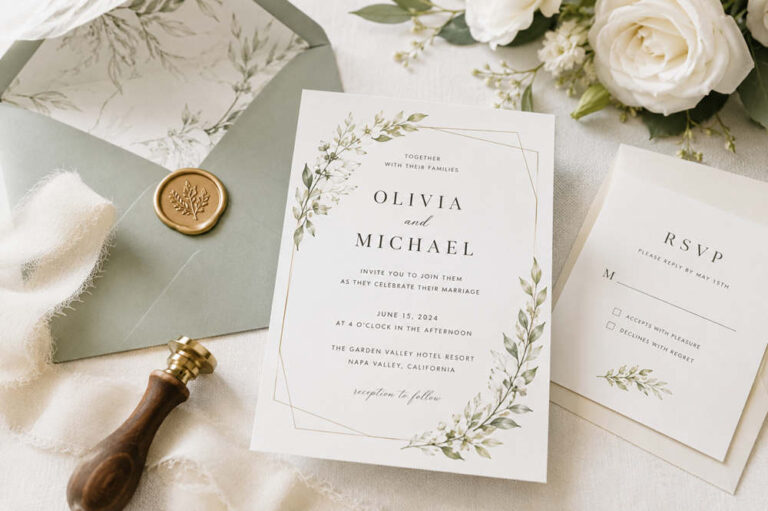
Traditional wedding invitation etiquette advises against placing attire information on the ceremony invitation itself. When needed, “Black tie” may appear in the lower-right corner of a separate reception invitation.
Many contemporary invitation suites instead place the dress code on a details card, particularly when the ceremony and reception information appear together. Either approach can work as long as the wording is easy to notice.
Clear options include:
- Black Tie
- Black-Tie Attire
- Black-Tie Attire Requested
- Reception to Follow • Black Tie
Avoid replacing a recognized dress code with expressions such as “dress to impress” or “elegant attire.” These phrases sound festive but do not tell guests whether a tuxedo is expected.
Use the Wedding Website for Practical Details
The invitation only needs to name the dress code. The wedding website can explain what it means and mention conditions that may affect shoes, outerwear, or transportation.
A simple note might read:
Our wedding is black tie. Tuxedos and formal eveningwear are appropriate. The ceremony will take place on a paved outdoor terrace, followed by an indoor reception.
For a cooler setting, the wording could be:
Black-tie attire is requested. The cocktail hour will be outdoors, so please bring a formal coat or wrap if the evening is cool.
The website is also the right place to mention grass, cobblestones, stairs, sand, religious clothing requirements, valet service, shuttle transportation, or other details that help guests plan comfortably.
Offer Guidance Without Controlling Every Outfit
Couples may clarify the level of formality, but the dress code should not become a long list of clothing demands. Requiring exact colors, fabrics, dress lengths, or matching accessories can make attendance unnecessarily difficult.
“Black Tie” already communicates a recognizable standard. Additional wording should solve practical problems rather than dictate every element of a guest’s appearance.