30 College Event Ideas Students Will Actually Enjoy
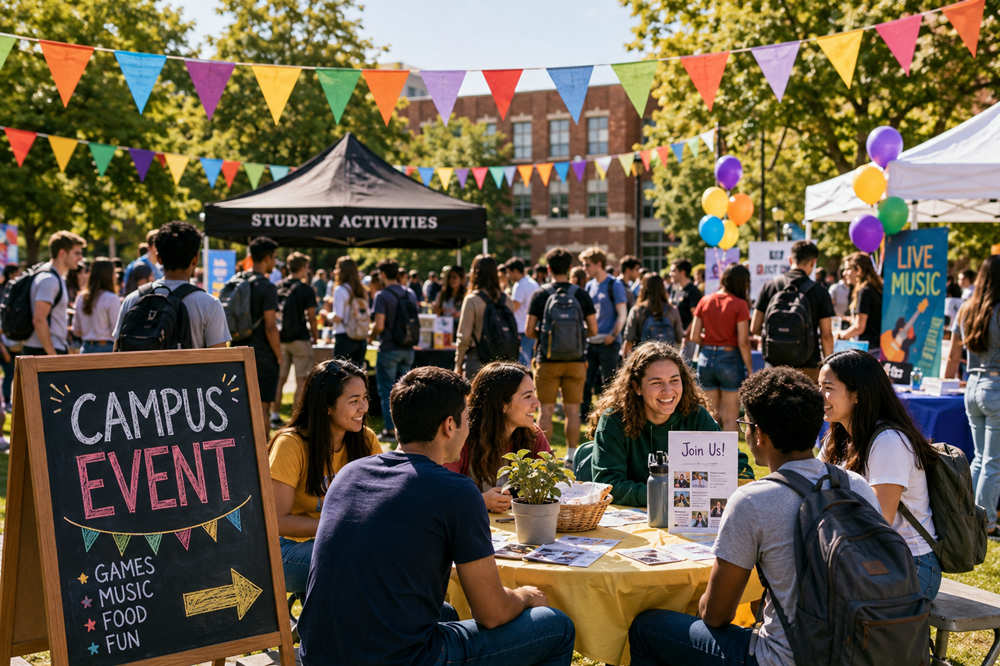
The best college events give students a clear reason to step away from their usual routines. They might help people make friends, discover a creative interest, prepare for a career, support a cause, or simply enjoy a break between classes.
An event does not need a huge budget or elaborate theme to attract attention. A focused idea, convenient format, and welcoming atmosphere can be enough. These college event ideas include intimate gatherings, flexible drop-in activities, and larger programs that can be adapted for student organizations, residence halls, academic departments, and campus activity boards.
Before announcing an event, check your college’s requirements for room reservations, vendors, food service, fundraising, amplified sound, insurance, security, and accessibility. Rules vary by institution and by event type.
Social College Event Ideas
1. Speed-Friending Night
Arrange chairs in pairs or small circles and give students a few minutes to talk before rotating to a new conversation. Light prompts about hobbies, favorite campus spots, dream trips, or unusual talents make introductions easier. Finish with an open social period so participants can continue conversations naturally. This format works especially well during orientation, the beginning of a semester, or shortly after students move into a residence hall.
2. Outdoor Movie Night
Turn a campus lawn or courtyard into an open-air theater with a projector, screen, blankets, and simple snacks. Choose a movie with broad appeal and provide some chairs for people who prefer not to sit on the ground. A rainy-day location should be reserved in advance. Organizers will also need to confirm public screening permission and any campus restrictions concerning outdoor sound.
3. Campus Trivia Night
Create several short rounds covering subjects such as music, movies, sports, general knowledge, internet culture, and campus history. Teams of four to six keep the event social without making scoring complicated. Add a picture round, audio clips, or a final wager question to vary the format. In addition to rewarding the highest score, offer a small prize for the most creative team name.
4. Food Truck Gathering
Invite several local food trucks to serve near a central lawn, plaza, or student center. A mix of full meals, desserts, coffee, and vegetarian choices will appeal to more students than a single vendor. Add picnic seating, acoustic music, or lawn games to encourage people to stay. Include a free activity so students can still enjoy the gathering without having to purchase food.
5. Late-Night Breakfast
Serve pancakes, waffles, cereal, fruit, pastries, or breakfast sandwiches during finals week or another demanding point in the semester. Pajamas, relaxed music, and cheerful table signs can give the event a playful atmosphere without requiring an elaborate theme. Keep the program informal so students can arrive, eat, and leave according to their study schedules.
6. Low-Phone Picnic
Invite students to set their phones aside voluntarily while they eat, play cards, and talk with friends. Provide picnic blankets, sandwiches, fruit, conversation cards, and a few uncomplicated lawn games. Avoid collecting devices or making the rule feel strict, since some attendees may need their phones for communication, navigation, health, or accessibility. The goal is to encourage more present conversation, not control how students participate.
Creative and Entertainment Event Ideas
7. Student Open-Mic Night
Offer students a welcoming stage for acoustic music, poetry, comedy, spoken word, storytelling, or original songs. A café, library lounge, or small performance room can create a more relaxed setting than a large auditorium. Use advance sign-ups, set a reasonable time limit for each act, and choose a friendly host who can maintain the pace while supporting first-time performers.
8. Campus Talent Show
For a more polished production, organize auditions and invite singers, dancers, comedians, magicians, cultural performers, and groups with unusual talents. Rehearsals, lighting, a planned running order, and an energetic host will help distinguish the event from an open mic. Winners can be selected through audience voting, a judging panel, or a combination of the two.
9. Paint and Mocktail Night
Ask an art student or local instructor to guide the room through one approachable painting while participants enjoy colorful alcohol-free drinks. Everyone begins with the same design, but students can change colors and details to make it their own. Limit the palette and choose a project that can be completed within the scheduled time so the evening remains relaxed rather than rushed.
10. DIY Craft Bar
Set up several independent stations where students can decorate tote bags, make bracelets, create bookmarks, paint small plant pots, or design keychains. Unlike a guided painting night, attendees can move between projects and work at their own pace. Display a finished example and brief instructions at each station, and keep the selection to three or four crafts so supplies remain organized.
11. Student Art Market
Give student artists and makers a place to display or sell prints, photography, ceramics, jewelry, clothing, stickers, zines, and handmade décor. Choose a high-traffic location and give vendors clear information about table size, setup, payment methods, and permitted products. A nearby coffee stand or live acoustic performance can add atmosphere without distracting from the work.
12. Campus Photo Scavenger Hunt
Send teams around campus with creative photo prompts rather than objects to collect. They might recreate a statue’s pose, find an architectural detail, photograph something in school colors, or stage a dramatic scene outside the library. Establish clear boundaries and judge entries on creativity, teamwork, and completed challenges rather than speed alone. Share the best images in a slideshow at the finish.
Academic and Career Event Ideas
13. Alumni Career Panel
Invite graduates from different industries and career stages to discuss internships, first jobs, rejected applications, career changes, and workplace lessons. Honest stories are often more valuable than polished biographies. Collect questions in advance, keep the panel small enough for meaningful discussion, and leave time afterward for students to speak with guests individually.
14. Major and Minor Mixer
Help undecided students explore academic programs through informal conversations with faculty members, advisers, and current students. Each department can display sample projects, course maps, research opportunities, and possible career directions. Arrange related subjects near one another and let attendees browse freely rather than requiring them to sit through a series of presentations.
15. Student Pitch Competition
Invite individuals or teams to present a business concept, nonprofit project, research application, or idea for improving campus life. Give each finalist the same amount of time to explain the problem, proposed solution, and practical next steps. Judges might award seed funding, mentorship, workspace, or support for a pilot program. Publish the judging criteria before students submit their proposals.
16. Faculty–Student Debate
Choose a question that allows informed disagreement without creating an unnecessarily hostile atmosphere. The subject might be serious, such as the role of artificial intelligence in education, or playful, such as whether morning classes should be eliminated. Place faculty members and students on mixed teams, use a neutral moderator, and reserve time for audience questions.
17. Skill-Swap Workshops
Invite students to teach one practical skill in a focused 20- or 30-minute session. Topics might include clothing repair, budgeting, photography, résumé writing, coding, public speaking, basic cooking, or graphic design. Run several workshops in nearby rooms and let attendees create their own schedule. Each instructor should promise one achievable takeaway rather than trying to cover an entire subject.
18. Campus Game Night
Fill a student lounge or multipurpose room with board games, card games, cooperative challenges, and a small video game area. Offer quick games for students who stop by briefly and longer options for groups staying all evening. Volunteers can explain unfamiliar rules and help solo attendees find a table. A casual tournament can provide structure without making the whole event highly competitive.
Wellness and Recreation Event Ideas
19. Sunrise or Sunset Yoga
Hold a beginner-friendly yoga session on a lawn, recreation field, or quiet terrace. Ask the instructor to demonstrate seated and standing alternatives so students can choose movements that suit them. Make mats available to borrow when possible and reserve an indoor backup space. Sunset sessions usually allow more flexible attendance, while sunrise yoga can suit a retreat or wellness week.
20. Therapy Animal Visit
Work with an established therapy-animal organization to arrange a supervised visit during finals or another stressful period. Timed entry can prevent the space from becoming crowded and overwhelming for both students and animals. Publicity should identify the type of animals attending so people can consider allergies, fears, or other concerns before arriving. Provide a separate quiet activity for companions who prefer not to interact directly.
21. Intramural Field Day
Combine relay races, cornhole, beanbag tosses, tug-of-war, puzzles, and cooperative challenges in one outdoor competition. Include activities based on accuracy, strategy, and teamwork so success does not depend entirely on athletic ability. Teams can represent clubs, residence halls, departments, or groups of friends. Water, shade, clear rules, and a weather alternative are more important than elaborate equipment.
22. Guided Nature Walk
Ask a naturalist, gardener, historian, faculty member, or environmental club to lead a walk focused on local plants, birds, architecture, public art, or campus history. State the distance, pace, terrain, and approximate duration in advance. A shorter accessible route or stationary outdoor presentation can offer another way to participate without duplicating the full walk.
23. College Cooking Demonstration
Demonstrate meals that reflect the realities of student life: limited time, shared kitchens, modest budgets, and basic equipment. Recipes might include grain bowls, simple soups, overnight oats, pasta variations, or microwave-friendly dishes. Give attendees a recipe card listing costs, storage instructions, substitutions, and common allergens. Where facilities permit, let students prepare or assemble one part of the meal themselves.
24. Quiet Social Hour
Create a calm gathering with puzzles, coloring materials, books, tea, quiet crafts, and tables where conversation is optional. Keep one part of the room free from background music and avoid scheduled icebreakers. Clear signage can reassure attendees that they are welcome to participate alone, sit with friends, or leave whenever they choose. This event provides a genuine alternative to louder evening programs.
Service and Community Event Ideas
25. Campus Cleanup Challenge
Divide volunteers into teams and assign each one a specific outdoor area. Supply gloves, litter grabbers, collection bags, and safety instructions, including what participants should not handle. Measure success by completed zones rather than the weight of collected waste. Coordinate with campus facilities beforehand so bags, recyclable materials, and unusual items are removed properly after the event.
26. Charity Walk or Fun Run
Create a short loop that allows participants to walk, run, roll, volunteer, or complete several laps at their own pace. Choose a cause with a meaningful connection to the organizers and explain clearly how registration fees or donations will be handled. Invite a representative from the benefiting organization to share a short message so the purpose remains visible throughout the event.
27. Donation Drive Competition
Ask residence halls, departments, clubs, or athletic teams to collect items requested by a local organization. The recipient should provide a specific list covering accepted products, sizes, expiration dates, and condition requirements. When competing groups differ greatly in size, measure participation by percentage or points rather than total volume. Check collection stations regularly so unsuitable donations do not accumulate.
28. Volunteer Fair
Bring local nonprofits, schools, public agencies, and campus service groups into one convenient space. Organize tables by cause, such as education, the environment, public health, animal welfare, or community support. Ask each organization to explain the work, time commitment, transportation needs, and training requirements. Include one-time projects for students who cannot take on a weekly role.
Large Campus Event Ideas
29. Cultural Festival
Bring together performances, food, art, language activities, traditional games, and student-led demonstrations. The communities being represented should shape the program and explain the meaning behind activities rather than being treated as decorative themes. Give participating organizations enough control over their own displays and coordinate shared needs such as performance times, food service, seating, and sound well in advance.
30. Spring Carnival
Celebrate the end of the academic year with activity booths, carnival games, food stalls, crafts, photo areas, and student performances spread across a central lawn or plaza. Individual organizations can manage separate stations while a central team coordinates contracts, electricity, security, crowd flow, waste collection, and weather plans. Comfortable seating and open space will help students enjoy the program without moving constantly between attractions.
How to Make a College Event More Inviting
Begin With a Clear Audience and Purpose
Decide who the event is primarily designed for and what they should gain from attending. A program for first-year students may need more structure than a gathering for established club members. Commuter students may prefer a lunchtime event, while residence-hall activities can work later in the evening. A defined audience also makes the event easier to describe and promote.
Choose a Convenient Time and Place
Review class schedules, exam periods, holidays, major campus programs, transportation, and the availability of nearby parking or transit. The venue should have enough seating, clear entrances, accessible restrooms, and space for attendees to move comfortably. For outdoor events, confirm a backup location or a clear cancellation plan before promotion begins.
Show Students What They Will Do
Promotional materials should describe the experience rather than relying on a vague event name. “Paint a canvas and enjoy a mocktail” is more useful than “creative social night.” Include the date, time, location, cost, registration process, host organization, and whether students can arrive late or attend alone. Sharing the event through email, campus calendars, club accounts, residence halls, and classroom announcements will reach different groups.
Plan Accessibility and Inclusion Early
Accessibility should influence the date, venue, layout, food, communication, technology, and activities from the beginning, rather than being checked after the main decisions have been made. The UMass Inclusive Events Planning Guide provides detailed considerations for building inclusion into each stage of the process.
Publicity and registration pages should also include a contact for accommodation requests, following your institution’s approved wording and timeline. The USC accessible-event guidance offers an example of how this information can be presented. Whenever useful, tell attendees about noise levels, lighting, food ingredients, walking distances, terrain, seating, captions, and other conditions they may want to know in advance.
Confirm the Practical Details
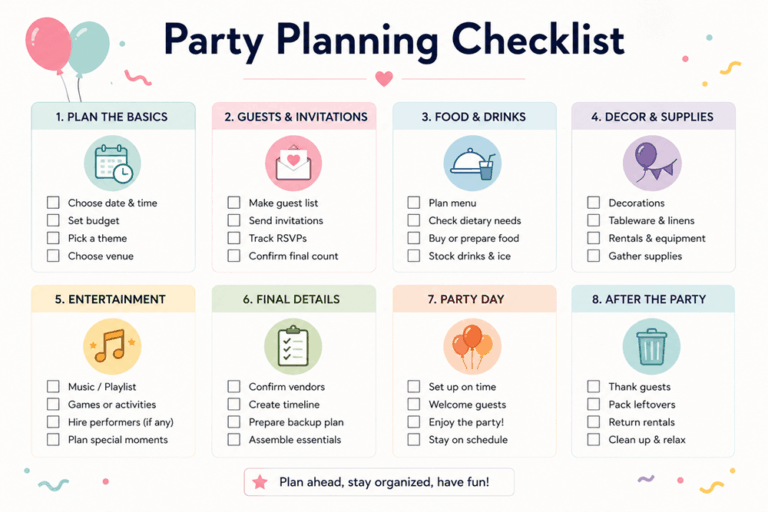
Create a simple schedule covering setup, registration, activities, transitions, and cleanup. Assign specific responsibilities for supplies, vendors, accessibility requests, photography, safety, and venue care. Before signing contracts or advertising the event, verify the relevant campus event rules with the appropriate college office or adviser.
Creating a College Event Students Remember
A memorable college event does not have to be large or expensive. Choose an idea that suits the students you hope to reach, make participation easy to understand, and handle the essential details carefully. A thoughtfully planned game night, workshop, picnic, or campus festival can give students a welcome break from routine while helping the college community feel more connected.